


Ever wonder if your security measures are really keeping things under control? Think of security metrics as a handy scoreboard, much like a dashboard that lets you know when something's off. They keep track of details like incident response times and how long threats linger, highlighting issues you might otherwise miss.
By diving into these numbers, you can transform your security efforts into a smart, data-driven strategy. It guides you to make informed moves that protect both your systems and your bottom line.
Security Metrics Boost Robust Risk Management
Security metrics are our way of keeping score in the world of cybersecurity. They give us clear, measurable insights into how effectively our systems are being protected. Think of it like tracking the smooth click of a well-designed interface, by noting incident response times, vendor risk ratings, and employee training rates, we know exactly where we stand. One key metric, dwell time, measures how long a threat goes unnoticed in the network. This kind of data lets us spot weak spots fast and make improvements that really count.
These metrics completely change the game for organizations. They turn abstract ideas of digital protection into clear, actionable steps. With objective data at hand, technical teams and executives can finally speak the same language. This shared understanding not only reinforces ongoing defenses but also drives smart investments into the areas that need it most. In other words, these numbers help justify cybersecurity spending by showing tangible progress over time.
Here's a quick look at the different types of metrics we use:
• Operational Metrics
• Strategic Metrics
• Compliance Metrics
• Vendor Risk Metrics
• Secure Development Metrics
Each category plays a unique role. Operational metrics guide day-to-day security actions, while strategic ones help leaders make well-informed decisions. Compliance metrics ensure that regulations are met, and vendor risk metrics keep external vulnerabilities in check. Secure development metrics, meanwhile, focus on constructing robust systems from the ground up. Together, they form a comprehensive framework that lets us respond quickly to new threats and maintain a strong overall security posture.
Operational Security Metrics for Continuous Protection
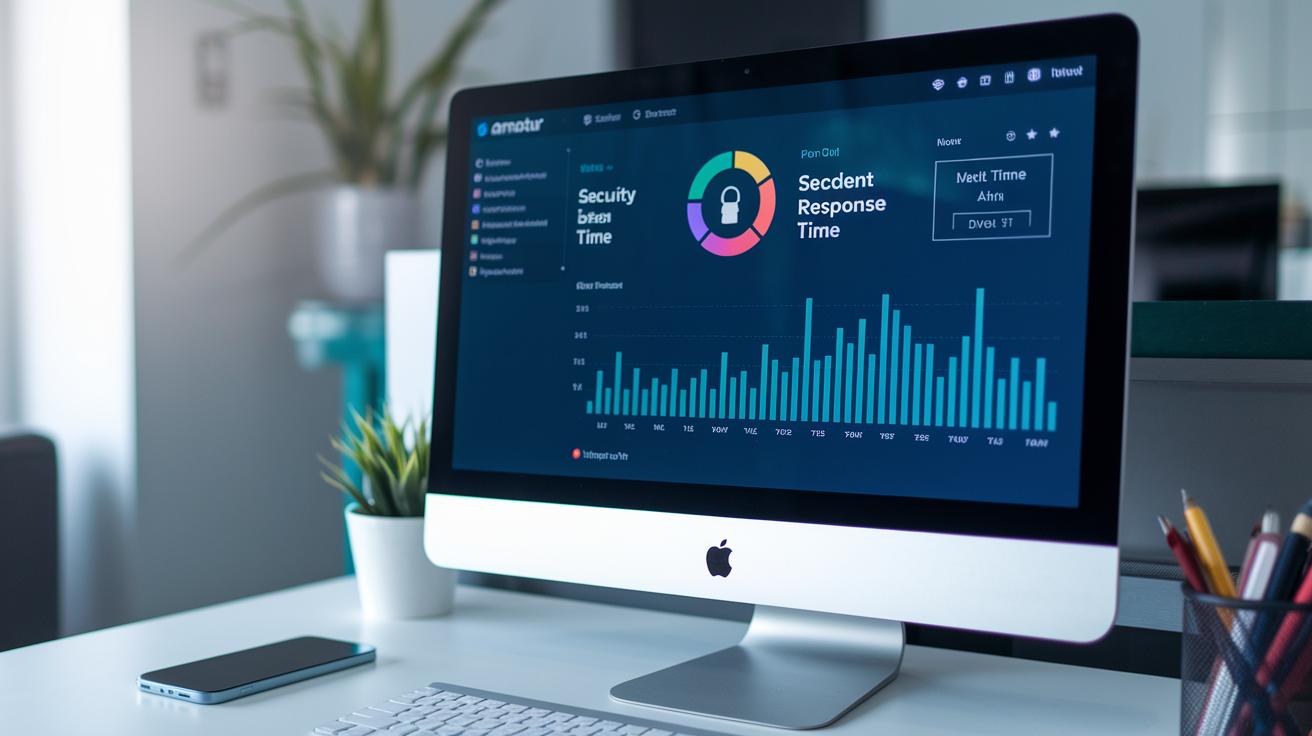
Operational metrics offer a clear snapshot of your daily security performance, much like checking your car’s dashboard before a long drive. SOC teams, which focus on countering new threats, rely on these indicators to monitor how fast incident responses occur and how smoothly continuous monitoring picks up unusual activity. These figures give a measurable sense of an organization’s readiness to tackle threats as they appear.
Tracking specific numbers brings real clarity to how efficient your operations are. For instance, you can measure how quickly incidents are resolved and how much time malware manages to linger to gauge response effectiveness. By comparing the number of alerts to actual incidents, teams understand threat detection ratios, while tracking patch management shows how well update schedules are followed. Vulnerability scores and continuous monitoring data further spotlight gaps, helping pinpoint exactly where improvements are needed.
These metrics empower teams to act fast when issues are detected. With a clear view of performance indicators, SOC teams can immediately address weak spots, boosting overall protection. In simple terms, better metrics usually mean fewer vulnerabilities and a sturdier, more resilient defense against cyber threats.
Compliance Security Metrics for Regulatory Assurance
Organizations have a lot on their plates when it comes to protecting sensitive information, whether that's credit card details, personal health records, or complying with EU data protection rules. They lean on clearly defined compliance metrics to meet standards like PCI DSS, HIPAA, and GDPR. By tracking these numbers, they can quickly spot weak spots that might risk penalties or erode trust. For example, keeping an eye on the frequency of failed credit card scans can show how well they’re sticking to PCI DSS rules. Similarly, checking patient privacy indicators confirms HIPAA compliance, while monitoring how quickly they handle data subject requests keeps GDPR in check.
| Regulation | Metric Category | Example KPI |
|---|---|---|
| PCI DSS | Credit Card Data Safeguard Ratios | Number of non-compliant scans per month |
| HIPAA | Patient Privacy Indicators | Time to remediate PHI exposure |
| GDPR | Data Protection KPIs | % of data subject requests fulfilled within deadline |
Continuous monitoring is key here. Routine checks on these metrics help organizations spot issues early and make adjustments on the fly. This hands-on approach not only proves they’re meeting strict data protection standards but also means teams can quickly tackle any surprises. It’s like having a constant feedback loop that strengthens the whole security program from the ground up.
Strategic Security Metrics for Executive Decision-Making

When it comes to keeping cyber defenses on point, strategic security metrics offer a clear snapshot of the company’s overall security stance. They help answer that key question: Are we more secure today than we were yesterday? By turning detailed technical info into easy-to-understand figures, these measurements let leaders see how well cybersecurity investments are paying off.
Consider indicators like the return on investment for cyber defense, vendor risk ratings, and the rate at which employees complete security training. For example, tracking monthly training completion shows how ready teams are to handle threats, ensuring that every dollar spent on security brings measurable benefit. IT governance metrics also reveal how effectively resources trim down potential vulnerabilities, providing concrete evidence to guide smart resource allocation.
Dashboards that pull together these metrics are a game changer. They present IT governance insights, cost-related key performance indicators, and threat management benchmarks in a clear, digestible format. This means board members can quickly spot trends and measure improvements over time, paving the way for decisions that are both well-informed and data-driven.
Tools and Dashboards for Security Metrics Visualization
Today's security platforms bring everything together into one easy-to-navigate view. They blend vendor risk monitoring, breach detection, and user risk analysis into a single interface. Using AI assessments and automated questionnaires, these systems unveil potential threats much like a crisp, clear dashboard. Imagine getting a real-time alert for unusual activity and detailed insights on vendor vulnerabilities, all in one go. Advanced tools like SIEM Cyber Security show how ongoing monitoring is setting a fresh benchmark in risk detection, while Cloud Security solutions bolster data protection and access.
Top-tier dashboards mix live analytics with automated reporting to give teams a fast, clear picture of their security status. They feature eye-catching graphs and simple controls to track key performance metrics like patch compliance or threat detection rates. This smart integration helps security teams quickly spot gaps and adjust their strategies on the fly. In practice, these dashboards turn complex tech data into easy-to-understand insights, empowering speedy decisions and better resource use across the board.
Best Practices for Implementing and Evolving Security Metrics

When it comes to security metrics, the goal is to gather data that not only looks good on paper but actually helps you make solid decisions. A smart approach starts by aligning everyone’s understanding, from leaders to tech teams, through a well-planned lifecycle process. This means you need to know who will use the data, pick about seven or eight key measures that really matter, gather information from multiple places, and then create clear, engaging visuals of your security performance. Regular check-ins and tweaks keep these insights fresh and in tune with evolving threats and shifting company goals.
Define Clear Objectives
Kick things off by setting precise targets that match your company’s security ambitions and what your stakeholders need. Think of it like laying out a blueprint before you build, a clear plan helps everyone focus on the most critical areas. You can use simple self-assessment tools and compare different frameworks to see where your cyber defense could use a boost. It’s like figuring out which part of your security setup needs a little extra protection.
Ensure Data Quality and Integrity
Reliable metrics start with solid data. Make sure that every piece of info is trustworthy by regularly checking it with audit reviews and risk scoring systems. This careful approach is similar to making sure every gear in a well-oiled machine is working perfectly before you let it run. Keeping your data clean isn’t just about avoiding mistakes, it’s about building a foundation you can truly rely on.
Review, Report, and Refine
Lastly, build in a regular cycle of review where feedback from your team leads to ongoing improvements. Set up routine reporting sessions that not only look at automated metrics but also consider real-world training effectiveness in cyber defense. This way, any issues are caught early and fixed on the spot, keeping your security measures as robust as possible.
Final Words
in the action, this blog post broke down security metrics by explaining their definitions, functions, and categories. We explored how operational, compliance, and strategic metrics drive day-to-day security as well as executive decision-making. The post also spotlighted modern dashboards for real-time insights and outlined a clear four-step process to fine-tune these measures. All of these points work together to help organizations obtain straightforward, actionable tech insights, empowering you to make informed technology decisions with confidence. Enjoy the journey toward a more secure, responsive digital future.
FAQ
What is a security metric?
The term “security metric” signifies a quantifiable measure used to assess the performance and effectiveness of an organization’s cybersecurity practices and compliance efforts.
What do SecurityMetrics do?
The SecurityMetrics service offers solutions aimed at evaluating and enhancing an organization’s security posture, including risk analysis, compliance tracking, and overall data protection insights.
Who owns SecurityMetrics?
The SecurityMetrics service is owned by a private cybersecurity company dedicated to providing services in risk management and regulatory compliance.
How do I cancel my SecurityMetrics subscription?
The cancellation process for a SecurityMetrics subscription involves contacting their customer support or managing your account settings through the official website.
What is required for SecurityMetrics login?
The SecurityMetrics login process requires valid credentials and may include multi-factor authentication to secure user access and protect sensitive information.
Where can I find a Security Metrics PDF?
A Security Metrics PDF is typically available on the official website or customer portal, offering documentation on guidelines, compliance measures, and best practices.
How is Security Metrics integrated with QuickBooks?
The integration with QuickBooks leverages additional security tools that monitor financial data, ensuring transaction records remain protected and compliant with industry standards.
What does Security Metrics PCI compliance involve?
Security Metrics PCI compliance involves tracking specific measures to meet PCI DSS standards, focusing on safeguarding credit card data and adhering to regulatory requirements.
What is the significance of the Security Metrics logo?
The Security Metrics logo embodies the brand’s commitment to data protection and risk management, symbolizing the trust and expertise delivered in their cybersecurity services.
What training options does Security Metrics offer?
Security Metrics training includes online tutorials, webinars, and in-person sessions designed to educate teams on cybersecurity best practices and effective compliance strategies.
How can I obtain Security Metrics certification?
Earning Security Metrics certification involves completing designated training courses, passing proficiency exams, and demonstrating a sound understanding of core cybersecurity metrics.
What opportunities are available in Security Metrics careers?
Careers in Security Metrics span roles in cybersecurity analysis, risk management, and compliance consulting, offering professionals the chance to work on critical security initiatives.