

Have you ever wondered how companies keep mobile work running seamlessly while still protecting their sensitive data? Enterprise mobility management software is like a one-stop solution that takes care of managing devices, apps, and data with a strong emphasis on security and efficiency. IT folks can support remote teams confidently, without worrying about security risks or losing control.
Imagine it as the backbone of your digital setup, effortlessly coordinating remote access, real-time updates, and secure content management. In this post, we’ll explore how this system not only protects your business but also scales as your needs grow.
Core Capabilities of Enterprise Mobility Management Software
Enterprise mobility management software gives IT leaders a dependable, all-in-one system to manage mobile devices, apps, and data while keeping everything secure. It’s evolved from simple device tracking to full control over mobile apps and content, helping companies keep up with modern tech trends without sacrificing security or productivity. Think of it as overhauling your tech foundation so that remote access, real-time updates, and smart automation all work seamlessly together.
This solution takes on challenges with a unified approach that covers everything from on-site setups to identity integration with single sign-on. It lets your team monitor a mix of devices and manage corporate assets without bogging down your IT environment.
- Device Enrollment & Configuration Management
- Mobile Application Management & App Store Controls
- Secure Content Management & Distribution
- Automated Patch Management & Updates
- Policy Enforcement & Compliance Monitoring
- Remote Access & Support Interface
- Single Sign-On (SSO) & Identity Integration
- Scalability via Cross-Platform Dashboard
This platform gives you full visibility and control over your data and devices while automating routine tasks through centralized policy enforcement. IT pros can easily support remote work environments and protect sensitive information, ensuring smooth compliance and operational efficiency. In short, it’s a fully integrated solution that adapts to growing enterprise needs and the ever-changing mobile landscape.
Security and Compliance Features in Enterprise Mobility Management Software

Enterprise Mobility Management software is packed with a range of security tools to keep employee devices safe and create a robust digital work environment. It uses practical features like data encryption (a method to secure your information), remote wipe functions, and containerization that neatly separates business data from personal data. Plus, it offers certificate management and clear compliance reporting to keep everything in check.
| Standard | Industry | Key Requirement |
|---|---|---|
| HIPAA | Healthcare | Data privacy and secure access |
| GDPR | General | Personal data protection |
| PCI DSS | Finance | Payment data security |
| SOX | Corporate | Accurate data reporting |
This software stands out with a comprehensive compliance framework that acts as a high-tech safeguard in regulated industries. It integrates automatic patch updates and real-time monitoring to ensure that only authorized users and devices gain access. With smart features like remote wipe capabilities and strict policy enforcement, it minimizes cyber threats. This adaptive approach not only guards against data loss and simplifies certificate management, but it also makes passing audits easier with in-depth reporting. In essence, EMM gives IT professionals the centralized control they need to maintain a secure and compliant digital workplace.
Enterprise Mobility Management Software: Secure & Scalable
This solution gives IT teams the freedom to choose how they want to deploy their systems. You can either keep everything in-house or take advantage of fast, cloud-based provisioning. With built-in automation and single sign-on options, companies can adapt easily to new demands without sacrificing performance or control over where data is stored.
On-Premises Deployment
Choosing an on-premises setup means you hold all the cards. It lets organizations tailor their systems to meet specific rules or legacy system requirements. This option offers complete control over data storage policies and smoothly connects with existing internal systems.
Cloud-Based Deployment
With a cloud-based approach, you get a software-as-a-service model that updates quickly and covers users around the world. This method cuts down on the workload for IT teams and makes it simple to scale up as more users and devices come online. It’s an easy way for companies to modernize their digital workspace.
These platforms are designed to grow with your business. Using a distributed setup, EMM solutions can manage thousands of devices without breaking a sweat. Powerful automation and single sign-on features make it easy for users to gain access, while enterprise software solutions work together with larger IT systems. All of these elements combine to create a mobile management framework that is secure, efficient, and ready to scale up as needed.
Comparative Analysis of Top Enterprise Mobility Management Software Vendors

When you're diving into enterprise mobility management software, it helps to compare how each vendor approaches the challenge. They all aim to simplify IT tasks with a dashboard that lets you keep an eye on devices across different platforms. Plus, these tools come packed with global access policies and performance analytics that guide informed IT strategies.
VMware Workspace ONE really catches the eye with its all-in-one digital workspace. It wraps device control, app management, and security policies into a neat package, making it easier to manage corporate assets worldwide without feeling overwhelmed.
IBM MaaS360 is another strong option, using AI to drive smart policy insights and threat alarms. Its tools sift through data to quickly spot trends and vulnerabilities, balancing real-time monitoring with straightforward risk assessments. This makes it a solid pick for teams that need proactive endpoint protection.
Microsoft Intune is a natural fit if you’re already in the Microsoft ecosystem. Thanks to seamless integration with Azure and Office 365, it simplifies app updates and deployments while keeping your data secure. This smooth connectivity really takes the hassle out of IT operations.
Citrix Endpoint Management stands out for ensuring a consistent user experience with clever virtualization techniques. It handles multiple devices by enforcing the same security and performance standards, helping you allocate resources efficiently and keep everything running smoothly.
MobileIron offers the flexibility of on-premises or cloud deployments, powered by advanced containerization. This means it can adjust to different IT setups, allowing businesses to stay secure while managing applications effortlessly. In short, it strikes a great balance between ease of setup and robust control.
Integration and API Support in Enterprise Mobility Management Software
Enterprise Mobility Management software relies on RESTful APIs and connectors to plug right into your existing IT stack. It ties in directly with directory services like Active Directory, giving IT teams one-stop control over user identities and access rights. This setup also plays nicely with ITSM and SIEM tools, effectively turning your system into a central integration hub. Think of it as the backbone of your entire IT operations, ensuring data moves securely and operations run as smooth as clockwork.
On top of that, the platform supports third-party remote support solutions such as Splashtop, which boosts live troubleshooting capabilities with an easy-to-use remote control interface. IT professionals can jump in and resolve issues quickly, keeping everything on track. Plus, when you connect these features with other enterprise mobility solutions, you get an even stronger link between centralized management and on-demand technical assistance, a real game-changer for today’s fast-moving IT environments.
Pricing Models and Total Cost of Ownership for Enterprise Mobility Management Software
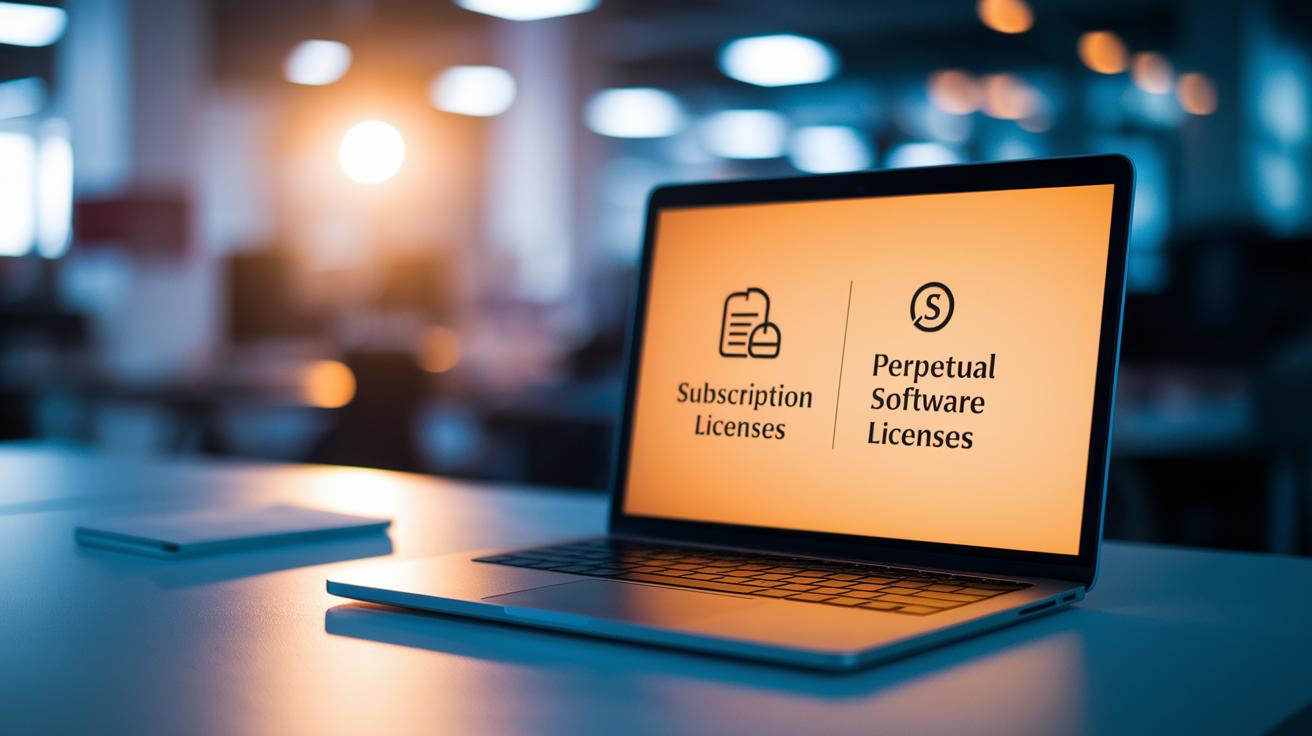
Enterprise Mobility Management Software pricing is designed with flexibility in mind. Organizations can pick between a subscription model or a one-time purchase license, fitting a wide range of IT budgets and strategies. Whether you're drawn to a dynamic, cloud-powered solution or a controlled, on-premises setup, there's an option that meets your needs.
Most licensing options work on a per-user or per-device basis, typically costing about $4 to $15 each month, or as a perpetual license with yearly maintenance fees. Businesses can also add extra features like advanced patch management and analytics to boost automated updates and remote system control. This approach lets companies adjust their spending as usage demands shift. Fun fact: many organizations now opt for subscription models because they cut costs during low-usage periods.
But the total cost of ownership goes beyond the direct fees you see upfront. You also need to factor in indirect expenses such as implementation, training, and ongoing support. IT teams might encounter costs related to staff time, adjustments in processes, and periodic software upgrades. By considering these hidden expenses, companies get a clearer picture of long-term value. This ensures that investments in tools like centralized remote updates and automated unit provisioning help drive sustainable efficiency.
Future Trends and Innovations in Enterprise Mobility Management Software
The latest approaches in Enterprise Mobility Management are turning heads as they use AI and machine learning to spot potential security issues before they even have a chance to grow. Picture a system that scans real-time data so effectively it detects vulnerabilities in the nick of time. This means that instead of constantly playing catch-up with threats, companies are starting to take a proactive stance by letting smart algorithms do the heavy lifting.
Digital safeguarding is also getting a major upgrade thanks to zero-trust access models and advanced IoT device management. Every connection is checked twice, and with the help of edge computing for ultra-fast performance, organizations are now setting fresh benchmarks for secure connectivity across diverse IT environments.
Looking forward, we’re on the brink of welcoming user authentication that leverages behavioral biometrics, essentially, technology that understands your unique actions to verify your identity. And with adaptive threat intelligence portals coming into play, EMM is set to integrate these innovations with automated response systems that act the moment a risk is spotted. This evolving mix not only boosts security but also simplifies IT management by cutting down on manual interventions. The future really looks like a seamless blend of secure scalability and smart tech solutions, perfect for managing expanding device ecosystems in a rapidly changing digital world.
Final Words
In the action, we explored how enterprise mobility management software brings together critical tools to manage devices, applications, and data securely. The article reviewed core capabilities, robust security, flexible deployment options, comprehensive vendor comparisons, seamless integration, clear pricing structures, and upcoming innovations.
We saw that the right enterprise mobility management software can simplify complex tech challenges. This insight empowers IT decision-makers to adopt solutions that support scaling and strengthen overall technology integration, fueling confidence and progress for every tech enthusiast.
FAQ
What is enterprise mobility management software?
The enterprise mobility management software is a solution that integrates tools and processes to manage mobile devices, applications, and data, ensuring secure operations and efficient IT oversight.
What’s the difference between MDM and EMM?
The difference between MDM and EMM is that MDM centers on device management alone, whereas EMM encompasses additional functions such as mobile application management, content control, and enhanced security measures.
What is EMMS used for?
EMMS is used to control and secure mobile devices, applications, and data, offering features like app management, remote support, and compliance monitoring to support comprehensive cybersecurity and IT management.
Is there a free MDM software?
Free MDM software options exist, though they typically provide basic functions. For complete security and operational control, organizations often choose paid enterprise mobility management solutions with advanced features.
How do you download enterprise mobility management software?
Downloading enterprise mobility management software usually involves accessing the vendor’s website for installation files or subscribing to a cloud-based service, simplifying the deployment process for IT teams.
Is enterprise mobility management software free?
Some versions of enterprise mobility management software are available for free with limited features, but fully featured platforms are generally subscription-based to offer robust device and security management.
How does enterprise mobility management function on Android?
Enterprise mobility management on Android allows for remote configuration, secure app distribution, and device monitoring, enabling organizations to manage and protect Android devices effectively across their networks.
What is Enterprise Mobility Management Intune?
Enterprise Mobility Management Intune is Microsoft’s solution integrated with Azure and Office 365, designed to streamline device and application management while bolstering security and compliance across corporate environments.
What does EMM software offer?
EMM software offers capabilities such as device enrollment, mobile application management, secure content distribution, automated updates, policy enforcement, remote access, Single Sign-On, and scalable, cross-platform oversight.
What is an Enterprise Mobility Management Trainee?
An Enterprise Mobility Management Trainee is an individual learning to manage mobile devices and security protocols, gaining experience with EMM tools to support IT teams in maintaining secure, efficient mobile operations.