

Ever wonder if you could be mixing up two different types of protection for your data? Information security isn’t just about guarding digital files, it’s about protecting paper records, ideas, and everything in between. Meanwhile, cyber security zooms in on shielding your digital space from online threats.
Both play key roles, but they focus on different areas. In this article, we’ll explore how these two fields complement each other to create a secure environment.
information security vs cyber security: Clear Insights
Information security and cyber security work hand in hand to protect our valuable data. Information security takes a broad approach, guarding everything from physical documents and intellectual property to personal details. Meanwhile, cyber security zeroes in on protecting digital data, networks, and systems from online threats. It’s important not to lump everything together as cyber security, because doing so might narrow our focus to only IT issues, leaving other aspects of protection behind.
Both fields rely on the CIA triad: confidentiality, integrity, and availability. These three pillars help us secure sensitive data reliably. Confidentiality means only the right people can see the data; integrity ensures that data stays accurate and unaltered; and availability guarantees that the data is ready for use when needed. It’s a bit like making sure you have the right ingredients on hand, stored correctly, to whip up your favorite dish.
| Information Security | Cyber Security |
|---|---|
| Broadly protects both digital and non-digital data | Focuses on digital data and electronic systems |
| Covers physical records, intellectual property, and more | Concentrates on protecting networks, systems, and devices |
| Involves various parts of the organization | Typically relies on IT and specialized security teams |
| Uses people, processes, and tools like training and consultancy | Uses targeted digital tools such as virus scans and penetration tests |
Organizations need both strategies to ensure that every important asset is well protected. Combining broad information security strategies with solid digital defenses means nothing is left unguarded.
Defining Information Security: Comprehensive Data Protection

Think of information security as a way to look after every bit of data within an organization. It isn't just about digital files; it also covers business records, personal details, and even intellectual property like printed documents. In other words, it’s about protecting both tangible and electronic information with the same careful touch.
The approach involves people, clear processes, and smart tech all working together to create a strong shield around everyday operations. Imagine setting up a safe space where every document gets the consideration it deserves. For example, a company might secure its paper archives while also locking down digital files with encryption (a method that scrambles data so only authorized users can read it). Curious to learn more? Check out this link: what is data protection.
At the same time, key frameworks and standards like ISO 27001, NIS Regulations, and PCI DSS offer a roadmap for keeping everything safe. These guidelines help organizations identify risks before they turn into real problems and lay out plans for cyber resilience and business continuity. By weaving these standards into everyday operations, businesses ensure that every asset, whether it's stored digitally or on paper, gets the right protection.
Understanding Cyber Security: Protecting Digital Assets
Cyber security is all about safeguarding our digital data, networks, systems, and devices from potential attacks. It zeroes in on all the points where digital information gets handled, ensuring that even if a threat appears, there’s a quick response ready to stop it. Picture it like keeping your home secure: you install locks, add alarms, and keep an eye out for any unusual activity so that everything runs smoothly.
Common strategies include running virus and malware scans, setting up systems that prevent intrusions by blocking unwelcome access, and using blacklists to stop suspicious connections. Organizations also rely on spam filters to cut through the noise and reduce the risk of harmful messages landing in inboxes. Many treat quarterly penetration tests as routine check-ups, think of them as a health exam for your network that spots vulnerabilities before they escalate. And when things do go sideways, having a disaster-recovery plan in place ensures that, even during events like ransomware attacks or denial-of-service incidents, you bounce back quickly.
Cloud security, though, is a bit more intricate. It involves a mix of tailored controls spread across various distributed services ensuring that even in a complex cloud environment, your data stays secure. Curious to learn more about how these specialized controls work? Visit this link for a deeper dive on cloud security: https://brainyreport.com?p=.
Shared Foundations of Information Security and Cyber Security

At the heart of both fields lie the principles of confidentiality, integrity, and availability, the CIA triad, and a systematic way to manage risks. Think of it as securing a building: every door, window, and alarm works together to keep intruders out while ensuring everything inside remains safe and accessible.
They rely on practical tools such as identity and access management (these systems decide who gets in), behavior analytics, and constant threat monitoring. It's like orchestrating a team where every component, from the lock on the door to the watchful security guard, plays its part in keeping the place secure.
Beyond protecting digital assets, both information security and cyber security emphasize the importance of solid planning for continuous operations. Companies often set up strategies to monitor partner networks and guard against supply-chain threats. With cyber resilience in play, these organizations not only defend their digital realm but also ensure they bounce back quickly when challenges pop up.
Practical Applications in Information Security vs Cyber Security
Organizations use a mix of specialized tools to keep both digital and physical data safe. In information security, teams lean on detailed documentation kits, engaging eLearning courses that boost staff awareness, and expert consulting to set up rock-solid policies. This approach makes sure every record is handled with care.
On the cyber security side, the focus shifts to defending digital assets. Companies deploy platforms that keep a close eye on network irregularities using systems like SIEM. They also use real-time endpoint protection, breach-risk monitoring, and methods to map out and manage potential attack surfaces.
| Tool Category | InfoSec Example | CyberSec Example |
|---|---|---|
| Documentation Toolkit | Compliance and Governance Manuals | N/A |
| eLearning Course | Staff Awareness Programs | N/A |
| SIEM Platform | N/A | Security Information and Event Management |
| Endpoint Protection | N/A | Antivirus and Intrusion Prevention Systems |
Advanced methods like zero trust security are becoming a must-have in both arenas. Today’s AI-powered assessments even help tie risk management together across an entire enterprise, so defenses can adjust on the fly as new threats emerge. This blend of classic information security and cutting-edge cyber security tools lets organizations strictly meet standards, think HIPAA in healthcare, while protecting all layers of their operation.
Frameworks, Standards, and Certification Paths in Security Domains
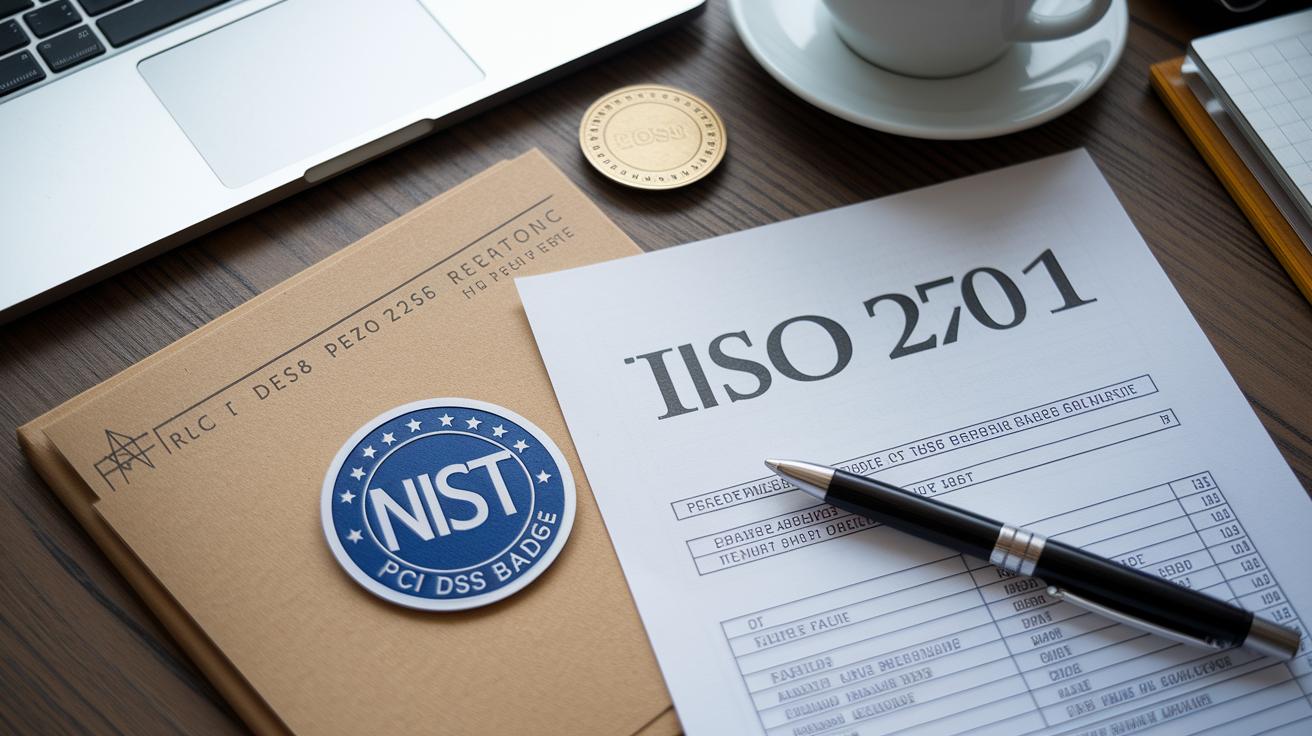
Organizations eager to boost their defenses often turn to tried-and-true frameworks and standards. In the realm of information security, ISO 27001 acts like a friendly guide, taking you through risk assessment, policy creation, and business continuity. By following this approach, companies can methodically pinpoint vulnerabilities and gear up for any incident that might arise.
On the cyber security side, the popular NIST Cybersecurity Framework lays out both technical and managerial practices designed to protect digital assets. Plus, sticking to regulatory standards such as PCI DSS and NIS Regulations ensures a clear-cut method for guarding both physical and digital data, while keeping risk management and incident response smoothly coordinated.
For professionals, certification paths are the next logical step to prove their expertise in these fields. If you specialize in information security, credentials like CISSP and CISM highlight your skills in managing risks, implementing policies, and orchestrating effective incident response. Meanwhile, in cyber security, certifications such as CEH and CompTIA Security+ not only empower you to set up robust digital safeguards but also manage network defenses with confidence. These qualifications open new career doors and ensure that you stay current with changing security methods and compliance requirements.
Looking for more advice on credentialing and detailed pathways? Check out cyber security certifications.
Career Opportunities in Information Security vs Cyber Security
In information security, roles are all about managing risks, ensuring rules are followed, and keeping both physical documents and digital data safe. You might think of these professionals as the ones setting up broad security policies, running audits, and using smart tools to manage risk, all to protect everything from printed files to online information.
On the other hand, cyber security jobs zero in on defending our digital world. Think network analysts and penetration testers who use hands-on tech skills to spot and stop cyber threats in their tracks. Many people in cyber security come from various IT backgrounds, and bootcamps often serve as the kickstart into this lively field.
The rising cyber threat landscape is pushing both areas into rapid growth. With global cybercrime costs projected to hit about $10.5 trillion by 2025, companies are increasingly investing in solid security. For instance, an entry-level information security analyst might earn around $90K, while a cybersecurity engineer can start at roughly $100K. These numbers not only point to attractive salaries but also to more remote and part-time opportunities as firms bolster their defenses.
If you're looking to break into security, consider three key steps. First, decide whether you want to work within the broad terrain of information security or target digital defense specifically. Next, earn certifications that prove your skills and make you stand out to employers. And finally, invest in continuous learning, it’s crucial to keep up as threats and technology evolve, ensuring you stay sharp no matter where your career takes you.
Final Words
In the action, this piece highlighted the nuances between information security and cyber security, exploring their distinct scopes, key frameworks, and practical applications. We broke down everything from the CIA triad to real-world tools that protect both physical and digital assets.
By comparing these two areas, information security vs cyber security, we see that blending both perspectives offers a full array of strategies for safeguarding all types of data. This balanced view equips decision makers to confidently approach every tech challenge ahead.
FAQ
How do information security and cybersecurity salaries compare, and which tends to pay more?
The salary comparison shows that cybersecurity roles often attract higher pay due to their technical focus, while information security roles offer varied pay reflecting broader risk and management responsibilities.
What do the side-by-side differences in a tabular form reveal about information security vs cybersecurity?
The tabular view indicates that information security covers all data assets including physical records, whereas cybersecurity concentrates solely on protecting digital data and systems.
How do information security, cybersecurity, and network security differ from each other?
The comparison reveals that information security protects all forms of data, cybersecurity defends digital assets, and network security specifically safeguards data moving through communication channels.
What is information security, and can you give an example?
Information security involves protecting various data types, such as using encryption to secure sensitive customer records and physical documents, ensuring their confidentiality and integrity.
What topics are typically covered in an information security course?
An information security course explores risk management, compliance standards, and protective practices for both digital and physical data, offering practical skills for safeguarding information.
What kinds of jobs are available in the field of information security?
Information security roles include risk management specialists, compliance analysts, and security consultants, all dedicated to protecting both digital and non-digital assets from potential threats.
How does cybersecurity fit within the broader context of information security?
Cybersecurity is recognized as a subset of information security that focuses on protecting digital data, networks, and systems from cyber threats and vulnerabilities.
How do cybersecurity and information assurance differ?
The distinction is that cybersecurity concentrates on defending against digital threats, while information assurance emphasizes maintaining the reliability, availability, and integrity of all information assets.
What areas do information security, computer security, and network security encompass?
These disciplines collectively cover comprehensive data protection: information security handles all data forms, computer security defends individual systems, and network security secures data in transit.