

Ever wonder why some companies adapt quickly while others seem left behind? It all comes down to enterprise digital transformation, a process that replaces clunky, outdated systems with modern, agile solutions you can actually rely on.
This transformation isn’t just a tech upgrade; it’s a smart strategy that smooths out daily operations and enhances customer interactions. Imagine it like swapping out a worn-out machine for a sleek, efficient one, ready to handle any market shift with ease.
By ditching old, cumbersome setups in favor of flexible and performance-driven tools, companies can operate more nimbly. In a nutshell, embracing these smart digital changes is the key to building a responsive, efficient organization that’s always ready for the next challenge.
Enterprise Digital Transformation Strategy and Roadmap

Enterprise digital transformation means blending fresh, innovative digital tools with your current systems and letting go of clunky, outdated architectures in favor of adaptable solutions. This process, commonly known as digital transformation, lets businesses respond nimbly to market shifts while smoothing out their workflows. Leaders can set clear, practical goals that enhance customer interactions and simplify day-to-day operations.
A smart digital strategy centers on modernizing IT and building agile infrastructures. In practice, this means using resources efficiently, boosting system performance, and managing content seamlessly, all while fostering a workplace culture that's open to new ways of working. These efforts help organizations move from rigid legacy setups to dynamic, future-ready digital environments.
A clear roadmap is key when facing transformation challenges, especially since only 22% of such projects succeed. Using structured change models like Prosci PCT and ADKAR offers practical guidance, and tracking metrics, such as error rates, service tickets, and training completions, helps fine-tune the approach along the way. For a smooth transition, consider this simple seven-step plan:
- Define your vision and assess the current state
- Secure leadership support
- Develop an enterprise architecture strategy
- Evaluate and choose the right technologies
- Integrate existing systems seamlessly
- Implement the changes and support user adoption
- Reinforce the changes and sustain momentum
Overcoming Legacy Systems in Enterprise Digital Transformation

Legacy systems can really hold a company back by locking you into outdated technology that just won’t adapt to new demands. Many organizations feel the pinch from rigid, monolithic architectures that slow down crucial changes, especially when the market moves fast. These older systems struggle with today’s high-speed workflows and massive data loads, which means businesses must rethink and automate their processes to keep up.
One eye-opening fact is that some companies spend more time fixing old tech than actually innovating. This not only stifles growth but also leaves employees feeling frustrated and stuck. It’s clear that modernizing digital frameworks isn’t just a nice-to-have, it’s essential for running a nimble, future-ready enterprise.
Key challenges with legacy systems include:
- Rigid, monolithic structures that can’t easily scale
- Systems that buckle under high content volumes
- Complicated and costly moves to cloud environments
- Integration struggles when trying to connect different systems
- Resistance to change from staff who are used to the old ways
Each of these hurdles creates a real barrier to digital transformation. For example, inflexible architectures make scaling operations a nightmare, while handling vast amounts of data can overwhelm outdated systems. Migrating to cloud-based solutions often comes with its own set of challenges, and blending old and new tech can result in messy, incompatible setups. Plus, when employees resist new processes, even the best solutions can take longer to implement.
By embracing automation and reengineering business processes, companies can overcome these obstacles and build a more responsive, technology-driven operation. It’s all about taking that brave step to modernize, ensuring your business not only survives but thrives in today’s fast-paced environment.
Leveraging Cloud Integration and Composable Technologies for Enterprise Digital Transformation

Cloud platforms and composable technologies have completely changed the game for modernizing enterprise software. Companies are moving away from bulky, one-size-fits-all systems and embracing agile solutions that let them react quickly when market trends shift. It’s like switching from a clunky old system to a sleek, easily updatable platform.
Composable architectures bring clear benefits over traditional systems. They allow companies to add new pages or features as quickly as you can imagine, almost like snapping together building blocks. With a decoupled CMS, content is split into small, manageable pieces, so updates don’t get held up by formatting issues. This modular design makes it simple to distribute content across apps, websites, and even wearables in one smooth flow.
Another plus is the pay-per-component model, which means companies only pay for what they actually use. This model keeps investments in check while ensuring the system stays flexible enough to meet changing customer needs. It’s an approach that really supports rapid upgrades in customer engagement and overall efficiency.
On top of all this, integrated AI modules are quickly becoming a must-have feature. They offer predictive content creation that tailors user experiences in real time. Imagine an AI that rearranges your website layout immediately when it detects a spike in mobile traffic, it’s like having a smart assistant keeping your site at its best, all the time.
Change Management Frameworks and Cultural Shift in Enterprise Digital Transformation
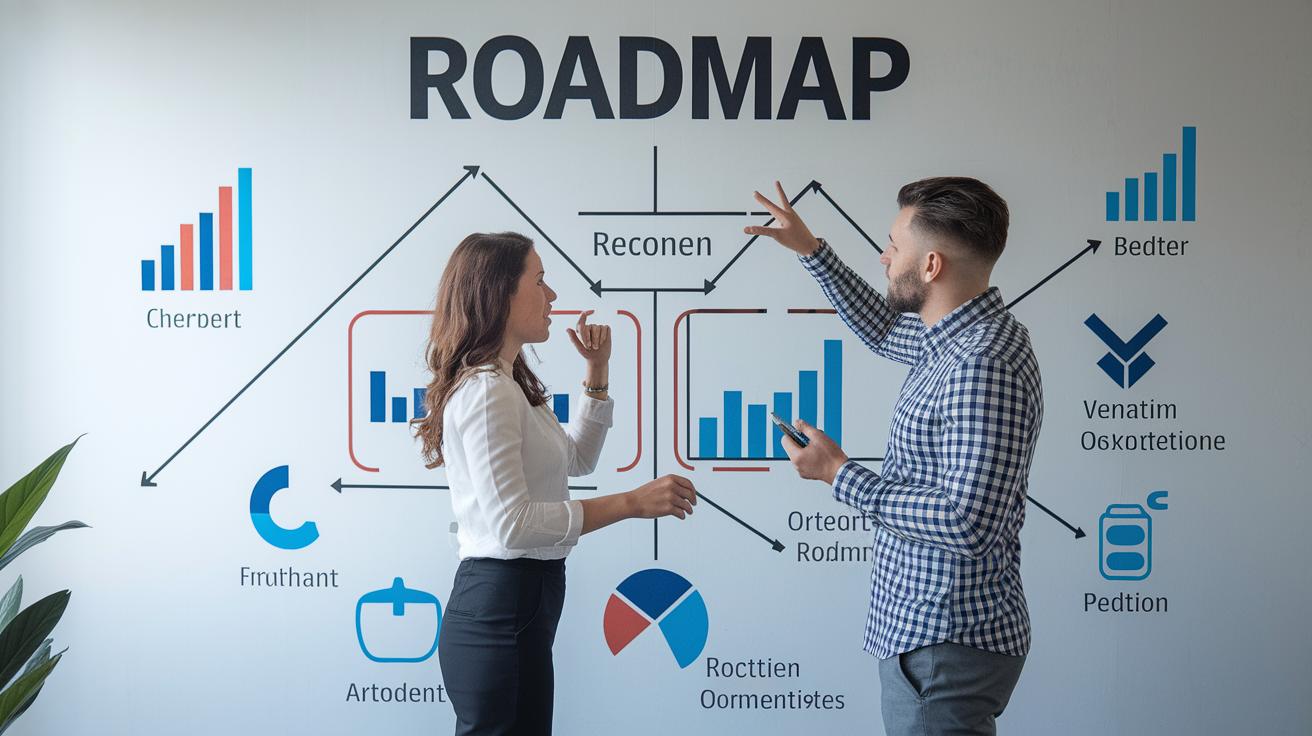
Digital transformation goes beyond the gadgets and software, it redefines how employees tackle their daily tasks. It’s about gently nudging old work habits aside for a more flexible, adaptive way of operating. Companies should see change as a team effort, one that touches every corner of the business.
Using well-known frameworks like the Prosci PCT and ADKAR models can really smooth the journey. These models offer a clear roadmap to set tangible goals, involve the right people, and keep track of progress every step of the way. For example, organizations can benefit from setting up clear performance metrics and regularly checking results, all while welcoming open feedback. And leaders might find it handy to use guidelines from trusted resources like digital strategy playbooks to line up initiatives with broader business goals. This step-by-step method makes change less mysterious and helps prevent employees from feeling swamped by too many new processes at once.
Last but not least, true success comes from a cultural change. Embracing a "learn-it-all" mindset, much like Microsoft did under Satya Nadella, gives employees the confidence to pick up new skills and embrace fresh perspectives, setting the stage for a dynamic, future-ready enterprise.
Measuring Success: Metrics and ROI in Enterprise Digital Transformation

Organizations are rethinking their day-to-day operations by keeping a close eye on key performance indicators like error rates, help-desk tickets, and training completion figures. These simple numbers quickly tell you how smoothly systems are running and how well teams are embracing change. With real-time data from integrated analytics, companies can fine-tune processes on the fly, improving customer experiences, boosting employee morale, and even driving more revenue. It’s not just about tech improvements; it’s about understanding the overall impact of digital transformation on the business.
Take SURA, for example, which manages $131 billion in assets and serves 19 million users, or UKG, supporting 80,000 organizations. They turn to detailed performance insights to confirm their investments in modern systems are paying off. One standout benefit of composable architectures is the cost efficiency that comes from a pay-per-component approach. Even a Fortune 500 insurer serving over 50 million people shows that linking performance data with operational tweaks can lead directly to a strong return on investment. Many companies also follow the expert advice of leading enterprise software providers as they steer through digital change.
At the end of the day, focusing on ROI means that every dollar spent on smarter technology is an investment in future agility. Reduced costs and more efficient operations prove that thoughtful digital transformation really can set the stage for lasting success.
Enterprise Digital Transformation Empowers Business Agility

Digital transformation is more than just a buzzword, it's a real game-changer that helps businesses become nimble. In practice, companies have tossed aside outdated, rigid routines and embraced flexible, tech-driven approaches that keep evolving. Imagine a company that swaps old-school business models for fresh, data-fueled strategies; it’s like waking up to a completely new business landscape.
Take Netflix, for example. They moved on from DVD rentals and dove into the world of streaming, completely reworking not only their own model but also how we all consume content. And then there’s Walmart, which revamped its supply chain with smart tech like automated systems and AI-powered negotiations to streamline operations. Starbucks now uses analytics to create more personalized customer experiences, while SURA uses digital strategies to efficiently manage large asset portfolios. Even in mergers, like the one that created UKG, technology makes it possible to serve 80,000 organizations with smooth, integrated services. There’s also an insurer that discovered the hard way that trying to change too much too fast can backfire, teaching us that a steady pace really matters.
These examples show that embracing digital transformation builds a solid foundation for innovation across all industries. The measurable benefits, better customer experiences, smoother operations, and increased scalability, prove that modern tech strategies go hand in hand with agile cultures. In short, mixing the best tech approaches with a flexible mindset can completely transform how a company runs, cut down on workflow hiccups, and pave the way for lasting competitive edge.
Emerging Trends Shaping Enterprise Digital Transformation

Artificial intelligence and machine learning are changing how businesses personalize experiences and predict outcomes. Companies now use real-time data to create unique journeys for every customer, much like how a watchmaker tweaks every tick to keep precision. Meanwhile, IoT devices continuously supply up-to-the-minute information, helping teams swiftly adjust their operations.
Then there’s the buzz around digital twins and blockchain. These technologies are being explored to secure data and simplify processes. And with modular architectures, updating or replacing parts of a system becomes as simple as swapping out a component, perfect for welcoming next-generation tech. Given that only 22% of digital transformations currently hit their mark, adopting these innovations not only shields your IT infrastructure but also paves the way for scalable growth and a more agile business.
Final Words
In the action, our discussion tackled key aspects of evolving digital strategies for modern enterprises. We explored practical steps, from setting a clear vision and assessing current systems to employing cloud integration and effective change frameworks. Each step and case study was designed to serve as a guide for implementing an enterprise digital transformation that not only measures success but also strengthens confidence in tech decision-making.
The roadmap we shared offers actionable insights that can help decision-makers foster smoother tech transitions and real progress. Enjoy the positive impacts ahead.
FAQ
What is enterprise digital transformation?
Enterprise digital transformation means integrating digital technologies into existing systems to modernize operations and replace traditional architectures, boosting agility and efficiency.
What are enterprise and digital transformation examples?
Enterprise and digital transformation examples include adopting cloud platforms for better scalability, updating legacy processes, and implementing systems that streamline operations for improved customer experience.
What is a digital transformation framework?
A digital transformation framework outlines a structured approach to modernize business processes—from defining the vision to implementing scalable technologies—ensuring a smooth transition and sustained improvement.
What advancements were seen in enterprise digital transformation in 2021 and 2022?
In 2021 and 2022, enterprises focused on modernizing legacy systems, integrating agile cloud technologies, and using data analytics to refine operations while adapting to rapidly changing market conditions.
What are the 4 types of digital transformation?
The 4 types of digital transformation entail changes in operational processes, business models, customer interactions, and company culture, each reshaping how organizations function in a digital-first environment.
What are the 5 main areas of digital transformation?
The 5 main areas of digital transformation generally include customer experience, operational processes, business models, organizational culture, and technology integration, creating a well-rounded modern overhaul.
What are the 4 pillars of digital transformation?
The 4 pillars of digital transformation typically refer to leadership commitment, advanced technology adoption, customer-centric approaches, and active employee engagement, all essential for successful change.
Where can I find a digital transformation PDF?
Digital transformation PDFs are accessible through industry reports, specialized tech sites, and academic resources that offer detailed roadmaps and insights into modernizing business strategies.
How does digital transformation benefit business operations?
Digital transformation benefits business operations by streamlining processes, lowering error rates, and enhancing productivity while improving customer interactions and competitive positioning.