

Are you still relying on old spreadsheets that slow things down? Picture replacing them with smart tools that minimize errors and deliver real-time financial accuracy. Modern enterprise budgeting software brings all your data together on a clear, centralized dashboard, making budget adjustments a breeze and supporting quick, informed decisions.
With today’s wave of tech innovations, companies can finally move away from error-prone manual entries to smooth, automated processes. In this post, you'll discover five standout tools that streamline finances, empower your team, and help scale operations efficiently. Ready to transform your budgeting into a real competitive advantage? Let's dive in and see how these solutions can make a difference.
How Enterprise Budgeting Software Scales Organizational Budgeting Processes
Enterprise budgeting software completely revolutionizes how companies manage their financial planning. Instead of wrestling with clunky, error-prone spreadsheets, organizations now benefit from smart automation that significantly cuts down on mistakes. Did you know that by 2025, manual spreadsheets could have up to 94% critical errors? This eye-opening fact shows why switching to automated software is a must for reliable data management. By centralizing information, these systems not only protect data integrity but also give decision-makers real-time insights so they can tweak budgets on the fly when market conditions change.
At its core, this software brings together data and automates routine workflows, making it easy for growing teams and multiple departments to stay connected. It works hand-in-hand with established ERP, CRM, and HRIS systems to ensure every financial detail is correctly recorded across the board. This smooth integration means you can finally say goodbye to tedious data reentry and endless manual checks, freeing up your finance team to dig into strategic analysis instead. Imagine a scenario where a company pulls together budgets from various divisions into one clear dashboard that even offers predictions, it’s like having a sneak peek into the future of finances.
And there’s more. The flexibility to quickly adjust budgets encourages a culture of collaboration across every department. With scalable analytics at hand, teams can access detailed variance reports and cost-control metrics that point the way to improvements. In the end, this advanced system not only cuts down on hands-on work but also helps organizations spot and tackle risks head-on, giving them the confidence to grow and succeed in a fast-paced market.
Core Features of Enterprise Budgeting Software

Today, enterprise budgeting software moves well beyond clumsy spreadsheets by offering automated solutions for every budgeting style, whether you lean towards top-down, bottom-up, zero-based, or incremental planning. It blends AI-powered workflows with smooth data integrations to deliver trustworthy forecasts and immediate financial insights. This approach helps finance teams keep expenses in check while updating forecasts on the fly as conditions change.
Below are seven key features that address common challenges in today's financial planning:
- Dynamic forecast modeling tool. Think of it like assembling a puzzle, each financial change shapes the bigger picture, giving you flexible and forward-looking planning.
- Real-time budget monitoring system. Picture a dashboard that displays your expenses and income as they occur, so you can jump in with corrective actions when things stray off track.
- Automated cost reporting. Envision a tool that automatically reconciles hundreds of transactions without manual input, which cuts down on errors and speeds up your closing process.
- Variance analysis features. Imagine getting instant breakdowns of where actual spending diverges from your planned budget, allowing you to make precise adjustments in real time.
- Financial performance dashboard. Picture one interactive display that gathers data from all your departments into a single, clear view to guide your decision-making.
- Expense tracking module. Think of an interface that wraps all your expense details into one spot, simplifying audits and ensuring compliance.
- Cross-functional budget collaboration. Imagine teams across departments working on one platform, sharing insights and making real-time updates without the hassle of juggling multiple files.
Each of these features is designed to drive scalable financial success. With dynamic forecasting and real-time monitoring reducing errors and boosting efficiency, automated cost reporting and variance analysis take the repetitive work off your plate. This frees up your team to focus on strategic decisions instead of manual reconciliations. By combining a performance dashboard with robust expense tracking, the software not only streamlines the budgeting process but also brings greater transparency and collaboration across your entire organization.
Comparing Top Enterprise Budgeting Software Solutions
When digging into enterprise budgeting, many organizations look at robust platforms that make financial planning, data consolidation, and cost reporting a breeze. If you're checking out enterprise software options (https://brainyreport.com?p=162), you'll find these solutions centralize your budgeting tasks while offering solid analytics and secure automation.
Below is a handy comparison table highlighting key products:
| Product | Ideal Use Case | Standout Feature | Pricing Tier |
|---|---|---|---|
| Abacum | Mid-market companies | Seamless corporate budgeting integration (4.8/5) | High-mid tier |
| Prophix | Organizations after automation | Smooth automation and workflow controls | Mid-tier |
| PlanGuru | Firms seeking flexible planning | Dynamic scenario modeling for forecasts | Mid-range |
| Budgyt | Departments needing consolidation | Simplified multi-department integration | Moderate |
| Sage Intacct | Scalable enterprise operations | Advanced analytics and smooth integration | Premium |
| Workday Adaptive Planning | Global enterprises | Comprehensive fiscal planning with agility | Premium |
| Excel/Google Sheets | Basic budgeting needs | Familiar and low-cost, though limited in analytics and security | Low |
Abacum shines with its fully integrated approach, making it a solid pick for mid-sized businesses venturing into complex financial consolidation. Prophix, on the other hand, brings a level of automation that feels like upgrading from manual ledger entries to a smart, interactive dashboard. PlanGuru stands out with its dynamic scenario planning, offering companies the flexibility to adjust forecasts on the fly. Budgyt is perfect when you need to reconcile budgets across different departments seamlessly.
When operating on a global scale, platforms like Sage Intacct and Workday Adaptive Planning step up with advanced analytics and adaptability to meet the challenges of expansive enterprises. And yes, while Excel and Google Sheets remain a go-to for basic budgeting, they fall short in providing the sophisticated functionality and security that larger operations demand.
Technical Integration and Scalability Considerations for Enterprise Budgeting Software

Enterprise budgeting software connects different systems using APIs and automated data pipelines, pulling in real-time data without the hassle of manual input. This smart setup keeps your key financial records organized without repeating integration steps we've already covered.
Its cloud-based, multi-tenant design makes scaling a breeze. Imagine a tool that grows effortlessly from handling a few hundred users to thousands, all while keeping your financial planning flexible and centrally managed.
Security and Compliance in Enterprise Budgeting Software
Enterprise budgeting software has earned its reputation by incorporating robust fiscal compliance features and strict governance measures right from the start. Modern systems use advanced encryption (a way to scramble data to keep it safe), role-based access controls, and audit trails that can’t be tampered with. Plus, they follow international standards like SOC 2 and ISO 27001, which means they’re serious about security. Detailed permission settings and automated reconciliation processes make sure every financial transaction is tracked carefully, meeting rules under GDPR, SOX, and other local regulations.
These platforms are designed to offer complete fiscal oversight without being difficult to use. By including strong compliance modules, they help companies cut down on mistakes and unauthorized access. Every update is logged for future review, making audits and regulatory checks much simpler. Whether you’re handling multi-entity budgets or detailed expense reports, these built-in security measures deliver peace of mind and boost operational efficiency, setting a new standard for resilient, future-ready financial management.
Pricing Models and Deployment Options for Enterprise Budgeting Software

Enterprise budgeting software comes in several pricing plans designed to suit both small teams and large organizations. SaaS subscriptions, for example, might cost anywhere from $15,000 to over $100,000 each year, depending on the number of users and specific features you choose. Many businesses lean toward this cloud-based option because it delivers regular updates and managed infrastructure, making it a breeze to maintain.
If you're more inclined toward setting up your own system on-site, on-premise licenses typically come with an upfront fee plus an annual maintenance charge of about 15 to 20%. While this route may require a heftier initial investment, it gives you tighter control over your infrastructure, ideal for firms with rigorous security or compliance needs.
Vendors also often offer different pricing tiers based on functionality. Basic packages might simply cover expense tracking, while more advanced systems offer detailed forecasting, flexible financial scheduling, and optimized planning workflows. This tiered approach lets businesses pick a plan that aligns perfectly with their long-term financial strategy and tech demands.
Real-World Use Cases of Enterprise Budgeting Software
A global manufacturer recently unified the budgets from 20 different departments into one streamlined system, boosting their forecasting accuracy by 30%. Picture a setup where every division shares its financial insights on a single dashboard, making trends and details pop into view in real time. This integrated approach ensured that all financial data was tracked as it happened, eliminating guesswork.
- Dynamic forecasting in action – Imagine shifting from uncertainty to prediction clarity. With one unified view that turns scattered data into a complete financial picture, you see exactly where your company stands.
A professional services firm revamped its cost reporting by automating the process, saving around 200 labor hours each month. By swapping out manual entries for automated tracking, they cut redundant tasks and sped up expense analysis. This efficiency allowed managers to quickly act on precise data, leading to smoother resource allocation.
- Efficiency that pays off – Think of replacing hours of manual work with a simple click, so your team can focus on strategic priorities instead of getting bogged down by endless data entry.
An IT enterprise took proactive steps by using scenario planning to cut budget overruns by 15% during Q1 2023. By simulating a variety of financial outcomes and adjusting plans in real time, they kept surprises to a minimum and maintained tight control over spending. This approach not only minimized variances but also fostered smarter resource management.
- Proactive planning in practice – Visualize a tool that adapts alongside your business needs, safeguarding your budget and ensuring fiscal discipline every quarter.
Future Trends in Enterprise Budgeting Software
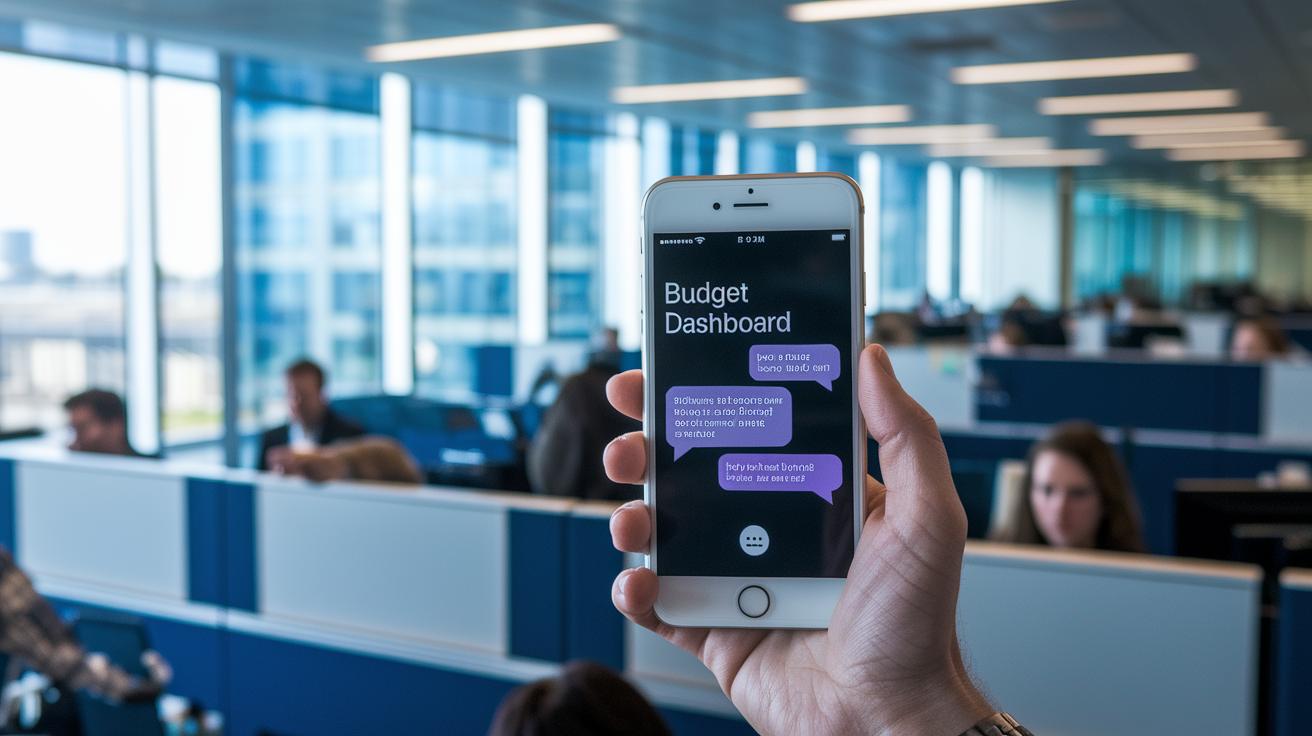
Budgeting software is on the brink of a significant transformation, thanks to a host of game-changing technologies. One exciting development is using blockchain to secure every financial move. Think about it like this: each budget adjustment is recorded and verified instantly, much like snapping a digital receipt with your phone. This change means that every transaction gets a digital signature of trust.
Another emerging trend involves natural language processing for conversational budgeting. In simpler terms, you can have a chat with your software just like you would with a trusted colleague. Imagine asking, "How did last quarter perform?" and getting a straightforward, easy-to-read report in no time at all.
| Emerging Technology | Example of Impact |
|---|---|
| Blockchain for Budget Verification | Every transaction is digitally secured, making audits nearly instantaneous. |
| Behavioral Analytics | Spending patterns adjust in real time, aligning forecasts with team insights. |
Final Words
In the action, our discussion showcased how enterprise budgeting software transforms financial workflows by automating tasks, enabling real-time data views, and providing scalable integration across systems.
We broke down key features, compared leading solutions, and examined technical, security, and pricing considerations while sharing real-world use cases. This fresh perspective offers actionable insights to confidently refine your budgeting approach and make informed technology decisions. Embrace these insights with optimism for a smoother, more efficient future in tech financial management.
FAQ
What free business budgeting software options are available?
The free business budgeting software options—including free budget programs for PC—offer basic expense tracking and reporting features. They provide an affordable entry for startups and nonprofits needing simple financial management.
Which enterprise budgeting software is considered best?
The best enterprise budgeting software centralizes data, integrates with major financial systems, and delivers robust forecasting features. It streamlines processes for organizations with complex, multi-department budgets.
Is there enterprise budgeting software for small businesses?
Enterprise budgeting software for small businesses scales with growth, offering user-friendly interfaces, efficient cost tracking, and features designed to meet the unique needs of smaller teams while planning for expansion.
What does Prophix budgeting offer?
Prophix budgeting provides strong automation and workflow controls that enhance budgeting accuracy. It simplifies financial planning through real-time monitoring and streamlined processes for corporate budget management.
Which budgeting software serves large companies?
Budgeting software for large companies integrates advanced forecasting, collaborative tools, and comprehensive data analysis. It supports multi-department budgeting and delivers real-time insights to make informed financial decisions.
What are the best small business budgeting software options?
The best small business budgeting software emphasizes affordability and ease of use. It offers essential tools like FP&A functions and straightforward reporting, making it a practical solution for dynamic, growing enterprises.
Is there FP&A software for small businesses?
FP&A software for small businesses simplifies financial planning and analysis with automated cost reporting and variance analysis. It delivers quick, reliable budget insights to help small teams manage their finances effectively.
What budgeting software options are popular among nonprofits?
Budgeting software for nonprofits focuses on straightforward controls and affordable pricing. It streamlines expense tracking and donor fund management, offering reliable tools to support efficient financial operations.