
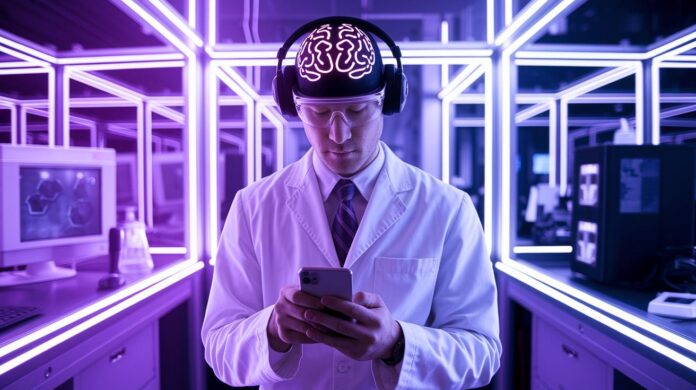
Ever wondered if our thoughts could truly control machines? Brain computer interface technology listens in on billions of neural signals and converts them into precise digital commands, almost like decoding a secret language from your brain.
Imagine steering a drone simply by thinking about it or interacting with your devices in ways that once seemed like science fiction. Sensors pick up on your actual brain activity to build systems that bridge your thoughts with technology.
This breakthrough isn’t just cool, it’s opening new doors in healthcare, communication, and everyday tech. Curious to see how this innovative approach is paving the way for our digital future? Keep reading, and you'll discover a world where mind and machine unite in surprising ways.
Brain Computer Interface Basics and Fundamentals
Brain computer interface technology taps into our brain's incredible network of around 100 billion neural connections, processing billions of bits every second. It works by turning your brain's natural activity, captured using tools like external headsets or even implanted electrodes, into digital commands that devices can follow. Imagine controlling a computer cursor just by thinking about it, or even piloting a drone using only your focus. This ability to translate neural signals into clear, actionable commands is really the heart of BCIs.
BCI systems usually come in two flavors: invasive and non-invasive. The invasive ones use tiny electrodes implanted directly into the brain, capturing detailed signals but requiring surgery to set up. On the flip side, non-invasive methods like EEG headsets or fNIRS devices pick up brain activity from the scalp without any surgery, though they might not capture every nuance. Both approaches have their ups and downs, and together they open up exciting avenues, from creating rehabilitation tools to developing interactive digital systems.
Design Principles in Brain Computer Interface Systems
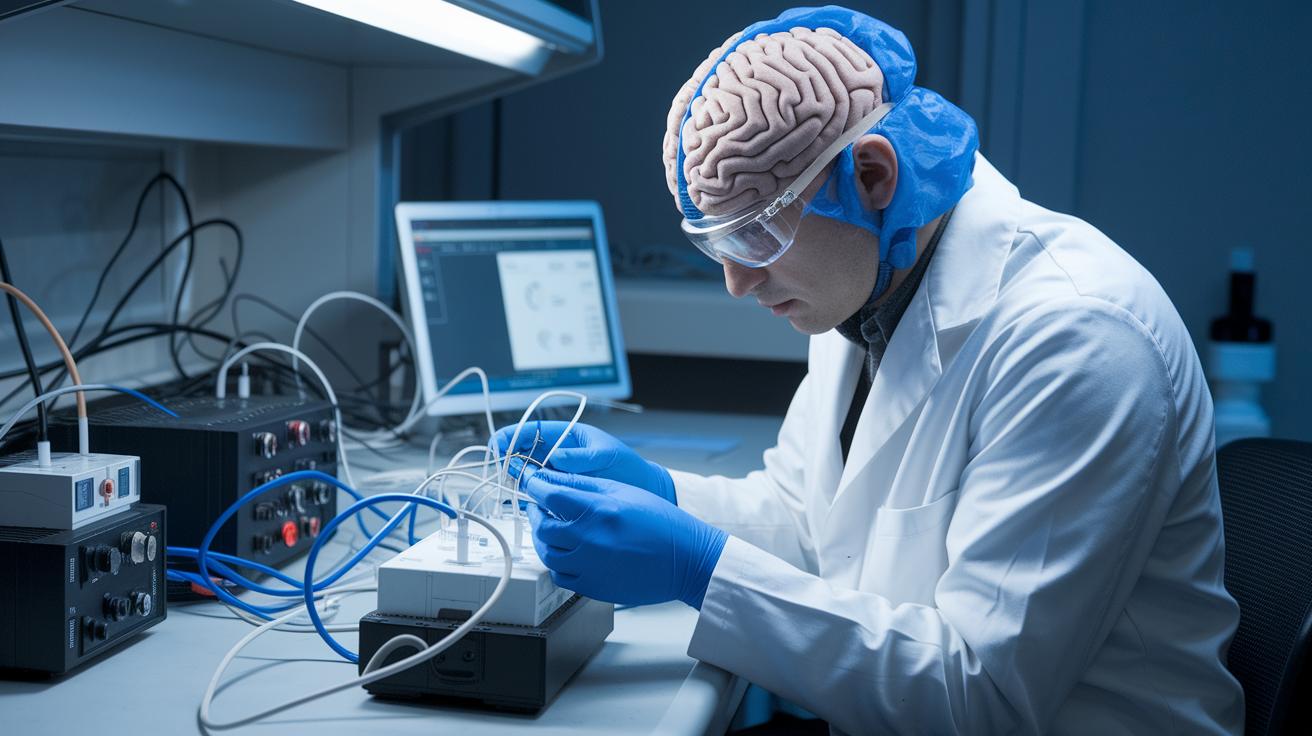
Modern brain-computer interfaces blend precise hardware with clever software to turn raw brain activity into digital commands. You know, electrode arrays like the Utah Array and micro-thread electrodes act as the first line, picking up signals from countless neurons. They connect to high-gain amplifiers that boost even the faintest signals, while noise-filtering circuits clear out the background chatter to ensure the data is spot on.
Decoding algorithms, often powered by neural network models (think of them as smart pattern detectors), translate these electrical blips into clear, actionable instructions. It’s like having a command system that bridges your thoughts and digital responses. Fun fact: before advanced noise-filtering came along, even the tiniest brain signals could easily be drowned out by ambient noise.
Take a look at real-life examples: Neuralink’s thread-like electrodes support two-way communication for both input and responsive feedback, and Paradromics’ Connexus implant streams thousands of neural channels at once. These innovations show how the perfect mix of sharp hardware and smart software makes real-time neural decoding possible.
| Component | Function |
|---|---|
| Electrode Arrays | Pick up detailed neural signals |
| Decoding Algorithms | Turn electrical spikes into commands |
By merging robust electrode designs with machine-learning networks, modern BCIs build a natural bridge between brain and device, opening up endless possibilities in neural technology.
Signal Acquisition Techniques in Brain Computer Interface Technology
Ever wonder how a simple EEG headset can capture electrical signals from over a hundred million neurons working in unison? In brain computer interfaces, there are two main approaches: non-invasive and invasive methods. Each offers a mix of advantages and compromises.
Non-invasive techniques capture brain activity from outside the head. For example, Emotiv’s wireless EEG headsets detect scalp signals used for tasks ranging from assistive technology to interactive gaming. Meanwhile, Kernel’s Flow 2 TD-fNIRS system covers the full head, boasting a setup time under three minutes and offering spatial resolution similar to that of fMRI. This kind of design is ideal for clinical and research environments where quick deployment matters.
In contrast, invasive methods embed electrodes directly into brain tissue. Neuralink, for example, uses ultra-thin, micron-scale threads that maintain precision while reducing tissue damage. Similarly, Synchron’s Stentrode system is implanted via the jugular vein, capturing motor cortex signals without the need for open-skull surgery. Precision Neuroscience’s Layer 7 film implant even records up to 4,096 channels at once, showing how far technology has come in providing detailed neural data, albeit with higher patient risks and longer setup processes.
In short, these approaches differ in spatial resolution, setup speed, and risk. Non-invasive devices are faster and safer but offer less detail, while invasive techniques yield richer, more precise brain activity data that’s invaluable for advanced prosthetic control or high-fidelity research.
| Device | Type | Key Features |
|---|---|---|
| Emotiv EEG & Kernel Flow 2 | Non-invasive | Quick setup, external activity capture |
| Neuralink, Synchron, Layer 7 Implant | Invasive | High resolution, direct neural access, increased risk |
Applications of Brain Computer Interface Technology in Healthcare and Robotics
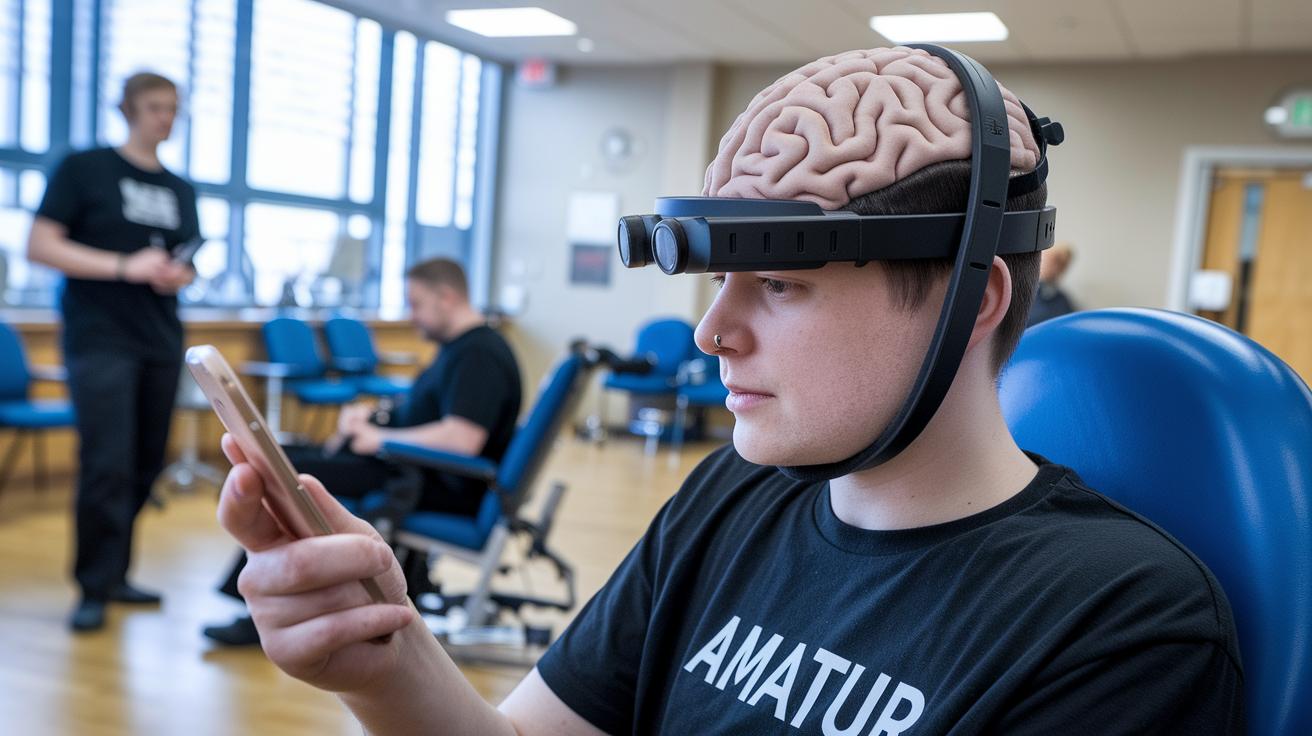
Brain computer interface systems are changing the way we help people with paralysis and other motor challenges. For example, Synchron’s Stentrode now lets users send texts and emails without using their hands. And get this, a participant from the BrainGate trial with ALS managed to type 90 characters per minute! This breakthrough shows how our thoughts can be turned into real commands for digital devices.
In rehab, BCIs have become a powerful ally, making advanced prosthetic controls and smart-home systems a reality. People relearning movement after neurological injuries are now benefiting from robotic limbs and exoskeletons that respond immediately to their brain signals. Plus, even non-verbal individuals are finding a way to communicate through “mindwriting,” where thought patterns are converted into text, paving the way for greater independence. Clinical projects in emerging tech in healthcare even demonstrate how these tools are now woven into treatment plans, making cognitive health monitoring simpler and more interactive.
Moreover, thought-driven commands aren’t just for individual care. Imagine a home where your brain signals can open doors or adjust lighting levels, all thanks to smart systems that track your stress and mood through simple EEG feeds. These innovations enhance safety while creating an environment that adapts naturally to our needs. As more cases emerge and the technology matures, we’re witnessing a future where the line between thought and action becomes ever clearer. BCIs are not only boosting the quality of life for those facing serious challenges but also opening up exciting new ways to control robotics with nothing more than a thought.
Challenges and Ethical Considerations in Brain Computer Interface Technology
Clinical translation for brain computer interface systems is still facing pretty steep regulatory hurdles. For instance, Neuralink’s human trials got the green light in May 2023, but meeting the strict FDA standards means extensive testing to ensure both safety and effectiveness. In short, progress can often feel like navigating a maze of oversight.
Engineering setbacks add to the complexity. High device costs, anywhere between $5,000 and $10,000, and worries about long-term compatibility with brain tissue are huge obstacles. These hurdles make it tough to convert brain signals into digital commands reliably. Sure, signal encryption helps fend off hacking attempts by securing the data, but it isn’t a cure-all for all the security challenges.
Then there are the ethical debates that spice up the discussion. Many experts and potential users are still questioning neural privacy, data ownership, and what informed consent truly means in these two-way brain-machine systems. As technology continues to evolve, making sure that personal neural data is handled responsibly and kept safe from unauthorized access is key to gaining the public’s trust.
Future Trends and Next-Gen Brain Computer Interface Innovations
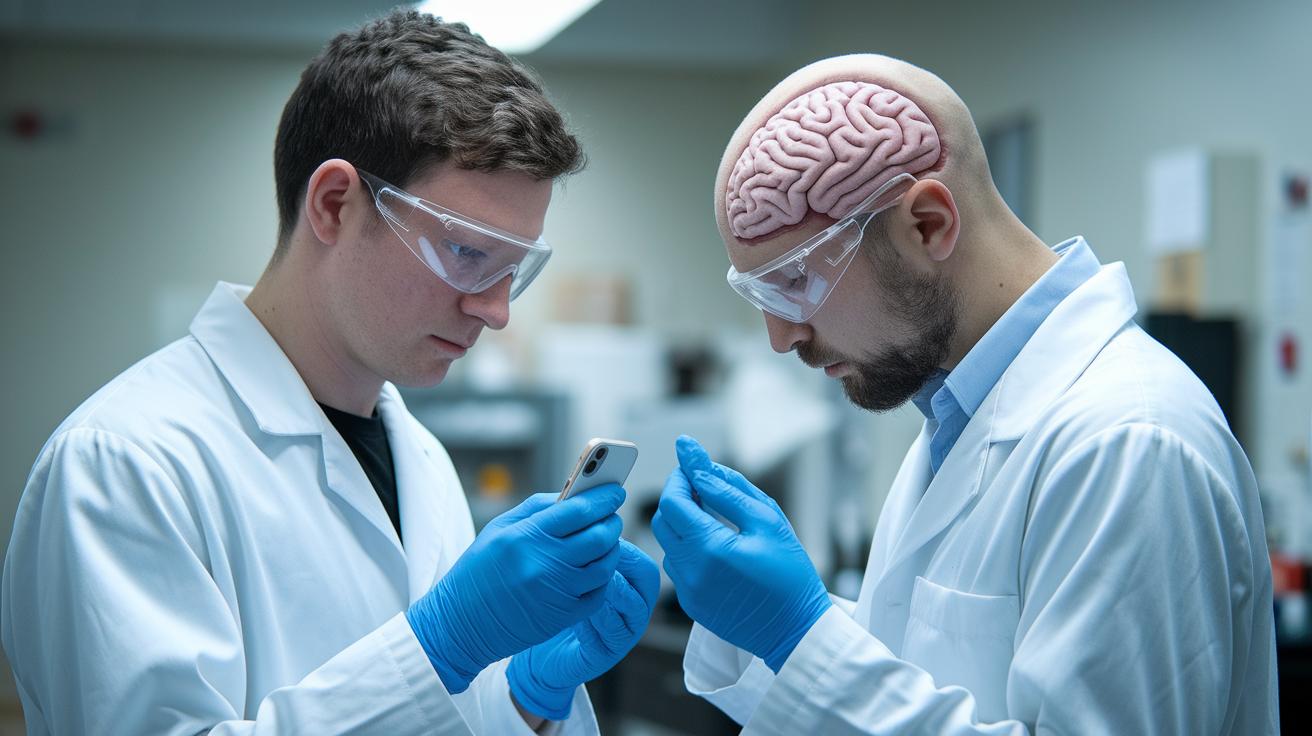
Looking ahead, brain-computer interfaces are set to revolutionize both healthcare and consumer tech. Imagine a near-future where your thoughts guide devices with precision, innovations like these are not science fiction but emerging realities. Neuralink’s upcoming U.K. trial in July 2025 is one clear sign. It promises improved surgical techniques and sharper electrode performance, bringing us one step closer to seamlessly integrating the brain and technology.
And there’s more. Paradromics is gearing up for its first human epilepsy recording in June 2025, marking another milestone in capturing and using neural data for medical breakthroughs. These advances highlight just how quickly our understanding and application of brain signals are evolving, making once-complex procedures more refined and accessible.
Investment in this field is booming, too. For instance, Precision Neuroscience secured $102 million in Series C funding back in December 2024. This hefty investment is fueling research and development for next-generation implants, helping to shrink device sizes and boost performance. Essentially, deeper learning in signal processing is paving the way for neural decoding systems that are both accurate and intuitive, imagine issuing commands with just a thought.
Wearable sensors are also stealing the spotlight. Kernel Flow 2 is setting new standards in resolution for wearables, and Inbrain’s innovative graphene chip is capturing brain activity like never before. Technologies driven by AI are even exploring closed-loop neuromodulation, which can adapt in real time. This means longer battery life and smarter, faster responses in demanding environments.
Picture a world where your brain’s signals effortlessly translate into actions on your devices, a seamless, almost magical connection between mind and machine. These advancements are not just about restoring lost functions; they’re about redefining how we interact with technology across healthcare, entertainment, and everyday life.
Final Words
In the action of our deep dive, we broke down how brain computer interface technology translates neural signals into digital commands. We examined design fundamentals, compared non-invasive and invasive signal setups, and explored applications in healthcare and robotics. We also touched on the challenges and ethical questions shaping future innovations. Each insight aims to empower readers with the clarity needed to make informed tech decisions. Optimism and innovation continue to drive meaningful progress in this exciting field.
FAQ
What are brain-computer interface applications?
The brain-computer interface applications involve restoring motor functions, enabling thought-driven control of prosthetics and smart environments, and supporting communication for individuals with limited movement.
What does a Brain Computer Interface technology PDF cover?
The brain computer interface technology PDF describes device architectures, signal processing methods, and the distinctions between invasive and non-invasive systems, providing a technical overview for researchers and enthusiasts.
What types of brain-computer interface devices exist?
The brain-computer interface devices range from non-invasive EEG headsets and fNIRS systems to invasive microelectrode arrays, each converting neural signals into digital commands for various real-world applications.
What is the current state of brain-computer interface research and projects?
The brain-computer interface research and projects explore neural signal decoding, advanced electrode designs, and algorithm development, with notable projects by companies advancing clinical and real-world BCI applications.
Which companies lead in brain-computer interface development?
The brain-computer interface companies include firms like Neuralink, Synchron, and Paradromics, which focus on clinical trials, device innovation, and expanding the applications of neural interface technologies.
What are examples of brain-computer interface systems in use?
The brain-computer interface examples include systems for motor function restoration, thought-controlled robotics, assistive communication devices, and smart-home integrations, demonstrating practical applications in healthcare and everyday life.
What defines an invasive BCI?
The invasive BCI approach involves implanting electrodes directly into the brain tissue to capture neural activity with high fidelity, offering precise control at the cost of surgical intervention and increased risk.
What are the three types of BCIs?
The three types of BCIs comprise invasive, partially invasive, and non-invasive systems, differing in electrode placement and signal quality, which influences their performance, safety profiles, and application scope.
Where are BCIs implanted?
The BCIs are typically implanted in brain regions responsible for motor and sensory functions, with invasive systems positioning microelectrodes directly within the targeted neural tissue to capture electrical signals.
What does Neuralink actually do?
The Neuralink system uses implanted, high-resolution electrodes to translate neural activity into digital commands, aiming to restore motor functions and potentially enhance cognitive abilities through advanced brain-computer interfaces.
How close are we to widely using brain-computer interfaces?
The brain-computer interface technology is progressing rapidly, with ongoing clinical trials and incremental improvements in hardware and algorithms, signaling real-world applications in healthcare and robotics emerging soon.