

Ever feel like your business is stuck in slow motion? What if there was a way to streamline everything effortlessly? Enterprise resource planning software might just be the game-changer you need. Think of it as a powerhouse that links finance, HR, and supply chain into one smooth, integrated system.
By taking over routine tasks, like automating data entry, it frees up your team to focus on the work that really matters, all while cutting down on costly errors. This boost in efficiency not only speeds up decision-making but also helps trim unnecessary expenses.
In this article, we dive into how ERP can revamp your processes, modernize your workflow, and give your business that much-needed competitive edge. Ever wonder if this could be the secret to taking your operations to the next level?
Core Benefits of Enterprise Resource Planning Systems for Operational Efficiency
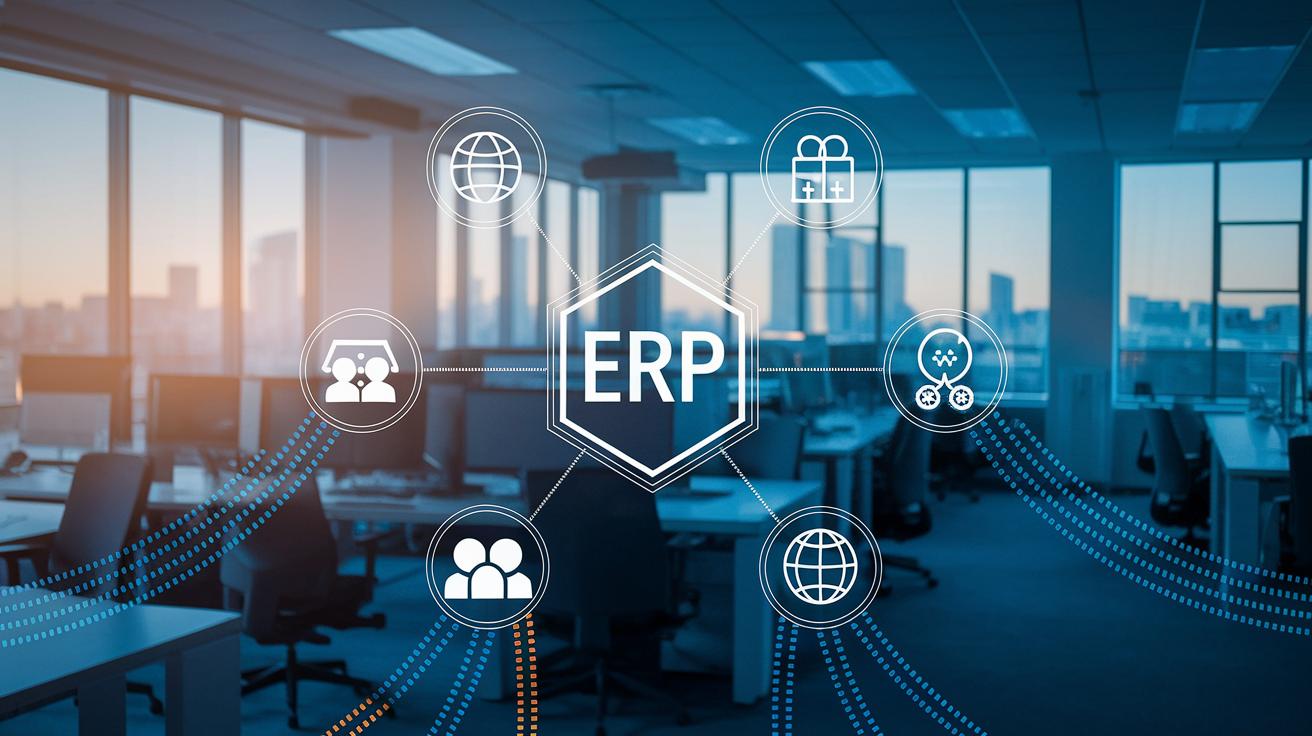
Imagine a system that brings together every part of your business, finance, procurement, supply chain, and HR, into one seamless platform. That's what an ERP system does. It breaks down information silos and helps your teams work together more easily, ensuring accurate, up-to-date data across your entire organization.
Automation is the secret sauce behind ERP systems. By handling routine tasks like data entry, report generation, and approvals, these systems free up your team's time for more important, creative work. For example, when procurement is automated, orders are processed faster and data is constantly refreshed in real time. This not only speeds up decision-making but also improves the overall performance of your business.
Moreover, consolidating various processes into one system can significantly cut costs. By reducing redundant tasks and errors, ERP systems help streamline operations. Cloud-based ERP solutions, in particular, can slash IT infrastructure expenses by up to 30% compared to traditional setups. In the end, better collaboration and fewer risks mean a more efficient, cost-effective way to manage your business.
Data Management Benefits of Enterprise Resource Planning Software

ERP systems bring together scattered data sources into one central hub, providing a single, reliable source of information. This consolidation cuts out duplicate entries and silos while automated checks significantly reduce manual mistakes. It’s like having a clean, organized workspace where every detail matters, making day-to-day operations smoother and boosting the quality of strategic insights.
- You get precise forecasting and demand planning.
- On-demand performance dashboards offer clear, quick insights.
- Automated alerts keep you updated on key performance metrics.
- In-depth financial and operational reports are just a click away.
- Instant variance analysis lets you spot and address issues immediately.
Real-time access to unified data completely transforms how businesses prepare for and tackle challenges. Customizable dashboards provide immediate, clear views of performance trends, so decision-makers can tweak strategies as events unfold. With redundant data eliminated and built-in error-checking, every report is based on trustworthy information. This solid data foundation empowers leaders to set realistic targets and streamline operations, keeping their companies ahead in a fast-paced market.
Financial Management Benefits of Enterprise Resource Planning Software

ERP systems pack a powerful finance module that serves as the backbone of your financial operations. They bring in top-notch accounting features like multi-currency support (which means handling different currencies without a hitch) and automated reconciliation so that every transaction, whether local or international, fits perfectly into your records. Plus, real-time financial reporting lets you keep a close eye on profit and loss, much like checking your pulse during a busy day. With these built-in accounting tools, managing your day-to-day finances becomes a lot simpler.
Integrated budgeting tools in ERP systems take planning to the next step. They pull together data from different parts of your business to offer accurate forecasts, almost like piecing together a clear picture of your future. You can even model different budget scenarios to discover which path minimizes risks and drives growth. To top it off, automated workflows cut back on manual tasks and reduce errors, leading to a smoother and more responsive financial planning process.
And here's the best part: the return on investment speaks volumes. Many companies notice quicker closing times and lower operating expenses, making ERP systems a smart, cost-effective choice for keeping your financial management streamlined and efficient.
Supply Chain and Inventory Control Benefits of Enterprise Resource Planning Software

ERP systems have come a long way since their early days as Material Requirements Planning systems, which were mainly built to keep production and inventory under control. These early tools focused on scheduling resources efficiently and managing inventory levels. Today’s ERP solutions are like having a smart assistant that watches over every part of your supply chain, ensuring everything runs smoothly.
Modern ERP software gives businesses real-time insights into stock levels, which means you can automatically trigger reorder processes and avoid running out of key items. Imagine always knowing exactly where each product stands. Automated procurement cuts down on the paperwork and reduces mistakes, while detailed supplier analytics help you track delivery precision and quality. And with integrated logistics tracking linking every phase of the supply chain, you can quickly spot where fine-tuning might boost overall efficiency. In short, this blend of technology and process refinement not only helps improve delivery times but also strengthens the overall integrity of your supply chain.
Scalability and ROI Benefits of Enterprise Resource Planning Software
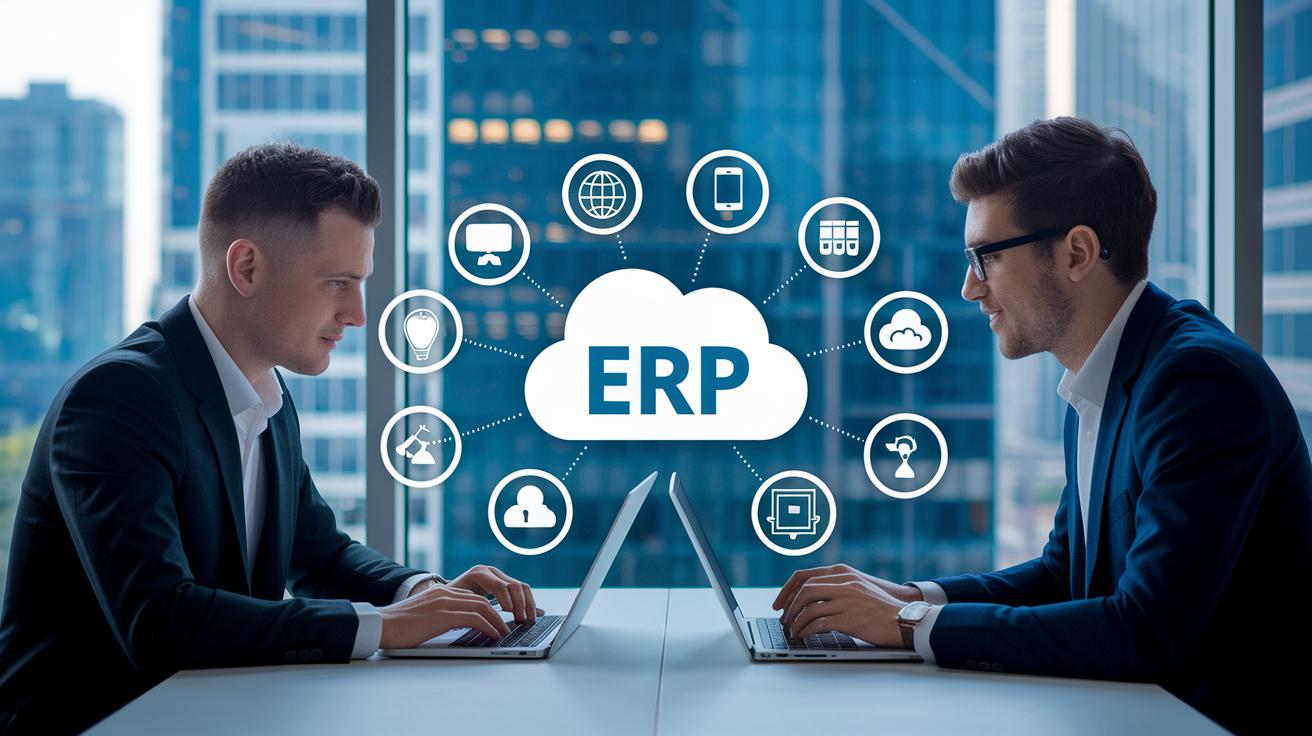
Cloud-based ERP platforms lay the groundwork for smooth business expansion. They let companies easily add more users and handle increased transactions without needing a major overhaul of their infrastructure. With a modular design, you can plug in specialized features as your operations evolve, ensuring your system grows in step with your needs. This approach not only tames the complexities of a growing business but also fuels your journey towards digital transformation. And the best part? It offers a cost-effective way to embrace new technology, keeping upfront investments low while adapting to future demands.
The benefits of ERP systems shine through in both operational improvements and financial gains. Many organizations notice a real difference, waste is minimized, closing cycles are faster, and redundant processes are eliminated. Thanks to automated data reconciliation and streamlined workflows, productivity rises and operational costs drop. It's not uncommon for businesses to see a payback in 12 to 18 months, making ERP a smart choice for those looking to make the most of their resources. When traditional systems fall short, modern ERPs deliver real-time insights that empower decision-makers to act swiftly and accurately.
In the end, scalability is the key to long-term digital transformation. As companies expand, robust ERP systems ensure that efficiency and resilience remain at the heart of operations.
Risk Management and Compliance Benefits of Enterprise Resource Planning Software

ERP software offers strong security measures like audit trails, role-based access, and data encryption. These features keep sensitive data safe and create a clear log of system activities, which is essential for a secure workspace.
Modern ERP systems also include built-in compliance tools that support industry standards like GAAP, IFRS, SOX, and even GDPR Compliance. They combine various functions into one system, making it easier for companies to meet different regulatory requirements. With automated monitoring, encryption protocols, and targeted access controls, these systems cut down on manual errors and keep data accurate. In truth, this setup not only boosts overall security but also provides a transparent record that simplifies audits.
By unifying data and streamlining processes, ERP systems reduce the risk of inconsistencies and make audit preparations simpler. In short, integrating risk management with system operations builds a robust environment where meeting industry standards doesn’t require constant manual oversight.
Final Words
In the action, the article showed how enterprise resource planning ties together key business functions while streamlining workflows and cutting costs. Its data management features deliver real-time insights, empowering more confident strategic decisions. Financial, supply chain, and risk management modules further support growth and operational security. Recognizing the benefits of enterprise resource planning software can lead to smarter, smoother tech integrations that fuel daily success. Here's to embracing practical tech insights and a brighter, more efficient future.
FAQ
What is ERP?
The ERP system represents enterprise software that unifies business functions like finance, HR, supply chain, and procurement into one platform, streamlining operations for improved efficiency and collaboration.
What are the benefits of ERP software?
The ERP software benefits include automation of routine tasks, real-time analytics for decision-making, centralized data management, enhanced operational efficiency, and reduced IT costs via unified operations, all boosting business agility.
Why would a company use an ERP system?
The ERP system enhances company performance by integrating various processes, cutting manual errors, and offering real-time insights that drive cost savings, improved collaboration, and streamlined workflows.
What are the key advantages and disadvantages of ERP systems?
The ERP system offers key advantages like improved efficiency, cost reduction, and real-time data access, while potential drawbacks include high initial investment and required adjustments during system integration.
What is the main benefit of ERP systems over stand-alone solutions?
The ERP system’s main benefit over separate systems is its integrated platform that eliminates data silos, streamlines collaboration, and enhances decision-making with holistic, real-time insights.
What are the benefits of using ERPs with built-in processes?
The ERP system’s built-in processes drive efficiency by automating tasks, reducing cycle times, enhancing data accuracy, and offering customizable insights that support smarter, faster decision-making.