
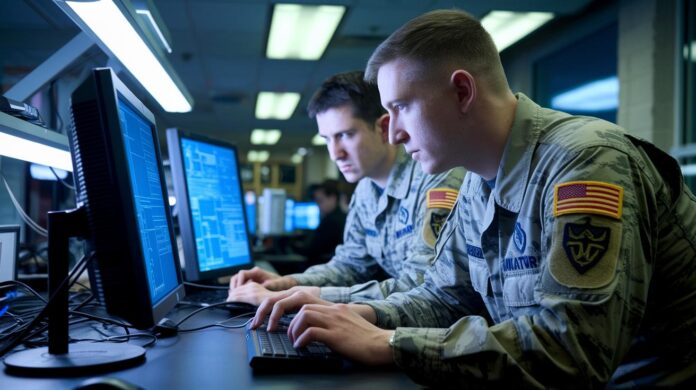
Ever wondered if a small startup could completely transform our nation's defense game? In 2024, defense tech startups are stepping up and shaking things up in how we protect our country. You can see it in action, from smart systems emerging in California to fresh, innovative tools coming out of Texas and beyond.
These ventures aren’t relying on big lab experiments; they’re taking a hands-on, real-world approach that speeds up product development and boosts our national safety. Curious how these trailblazers are building a smarter, more secure future? Let’s take a closer look.
Defense tech startups: Bold Innovations on the Rise
In 2024, defense tech startups are making bold moves in the world of advanced defense technology and innovation. Companies like Anduril in Costa Mesa, Shield AI in San Diego, and Epirus in Hawthorne are showing impressive growth that hints at big things ahead. These startups are spread across the U.S., with California serving as a hotbed where creativity and progress meet. Regions such as Pleasant Grove, UT with Fortem Technologies, along with hubs in Virginia, New York, and Texas, further underline a nationwide push toward next-generation defense solutions.
At the heart of this trend are ventures focused on autonomous systems, AI-driven operations, and cutting-edge sensing technologies. Investors and researchers are drawn to these mission-critical projects that tackle complex national security and public safety challenges. Local expertise in these regional centers fosters collaboration and speeds up product development, fueling a streamlined process for system integration and rapid prototyping. This practical, hands-on approach to addressing high-stakes demands is reshaping the competitive landscape and influencing strategic defense interests across the nation.
Key Technological Innovations Driving Defense Tech Startups
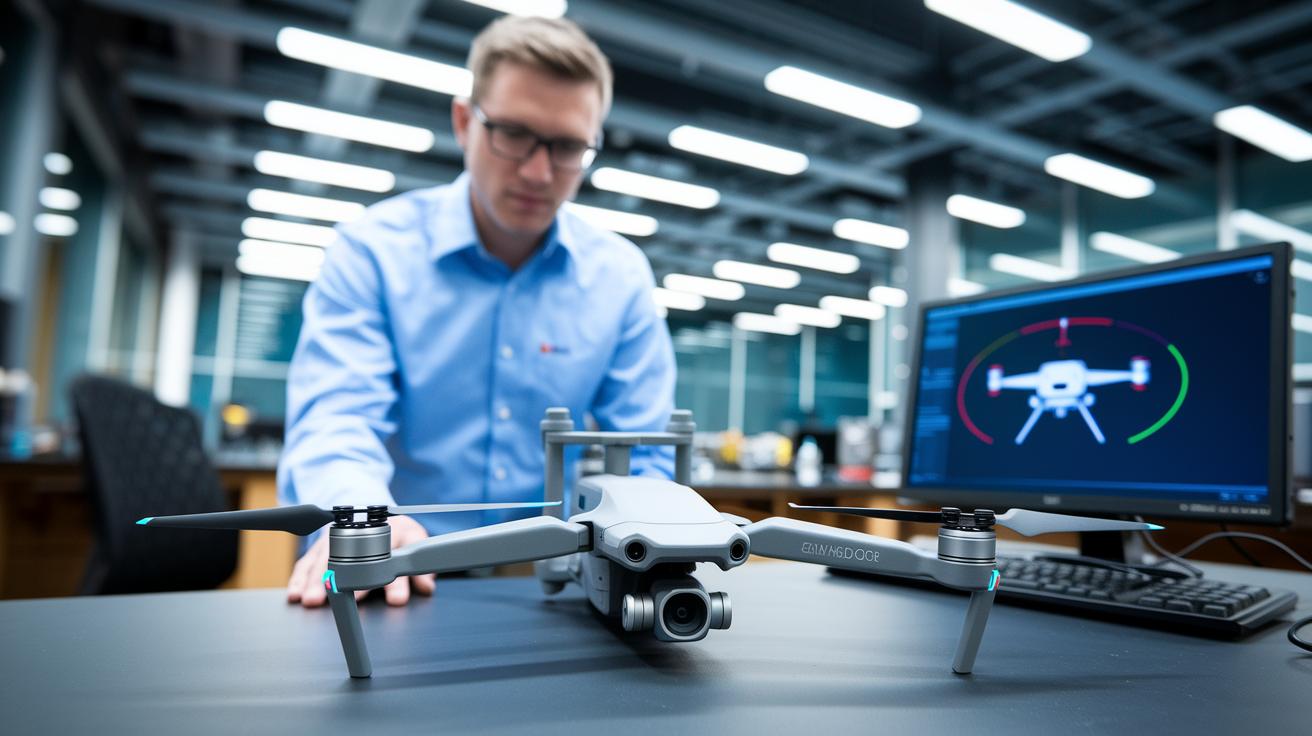
Defense tech startups are redefining modern defense with inventive solutions that blend cutting-edge software, robust hardware, and smart analytics. Take Shield AI, for example, this company is pushing the limits by developing advanced autonomy software for drones, setting a fresh benchmark for next-generation military tech. And then there’s Epirus, which is busy perfecting energy-based systems to counter enemy drones, attracting keen interest from security experts and professionals alike. Fortem Technologies is another trailblazer; by harnessing radar-based systems, it expertly detects and stops hostile drones, showing just how quickly defense technology is moving forward.
These innovations fall into four key areas:
- AI-enabled autonomy
- Swarming and unmanned systems
- Cyber-secure communications
- Advanced sensor and counter-UAV solutions
AI-powered decision support systems are becoming vital, enabling rapid, accurate responses during intense operations. Autonomous swarming lets groups of drones work together seamlessly, think of it like a well-coordinated team on the battlefield. At the same time, cyber-hardened communications smoothly secure data transfers even in risky, high-threat environments. And advanced sensor fusion is taking detection up a notch, making it easier to spot and disable aerial threats, which boosts overall counter-drone effectiveness.
Imagine these innovations as the gears of a high-performance engine, each part is essential to powering state-of-the-art defense systems. Ever wonder what it’d be like if drones could think almost like humans, coordinating in real time to thwart threats before they even develop? That’s the exciting future AI-driven defense innovations hint at.
Funding and Investment Trends in Defense Tech Startups
There’s been a notable surge in funding, and it’s clear that money is steadily flowing into defense tech startups. Venture capital and government contracts are the main engines behind this growth, with investors keeping a keen eye on companies that deliver mission-ready, secure technology. It’s impressive how these startups are not only pushing technological limits but also ensuring they meet strict defense standards, all while working quickly to roll out dependable solutions.
Weekly updates highlight this trend vividly. For example, Anduril secured a $450 M Series D in March 2024, Shield AI landed an $80 M Series C in June 2024, and Epirus raised $50 M Series B in April 2024. These rounds give a crucial boost to companies working diligently to meet defense priorities. The ideal time to connect with these startups seems to be within one to two weeks after a funding announcement. During this busy period, founders ramp up their strategic planning, exploring new partnerships and exciting expansion opportunities.
| Company | Funding Round | Amount | Date |
|---|---|---|---|
| Anduril | Series D | $450 M | Mar 2024 |
| Shield AI | Series C | $80 M | Jun 2024 |
| Epirus | Series B | $50 M | Apr 2024 |
This wave of investment underscores a clear focus on rapidly developing advanced systems in a competitive landscape, setting the stage for even more innovative breakthroughs in defense technology.
Profiles of Leading Defense Tech Startups
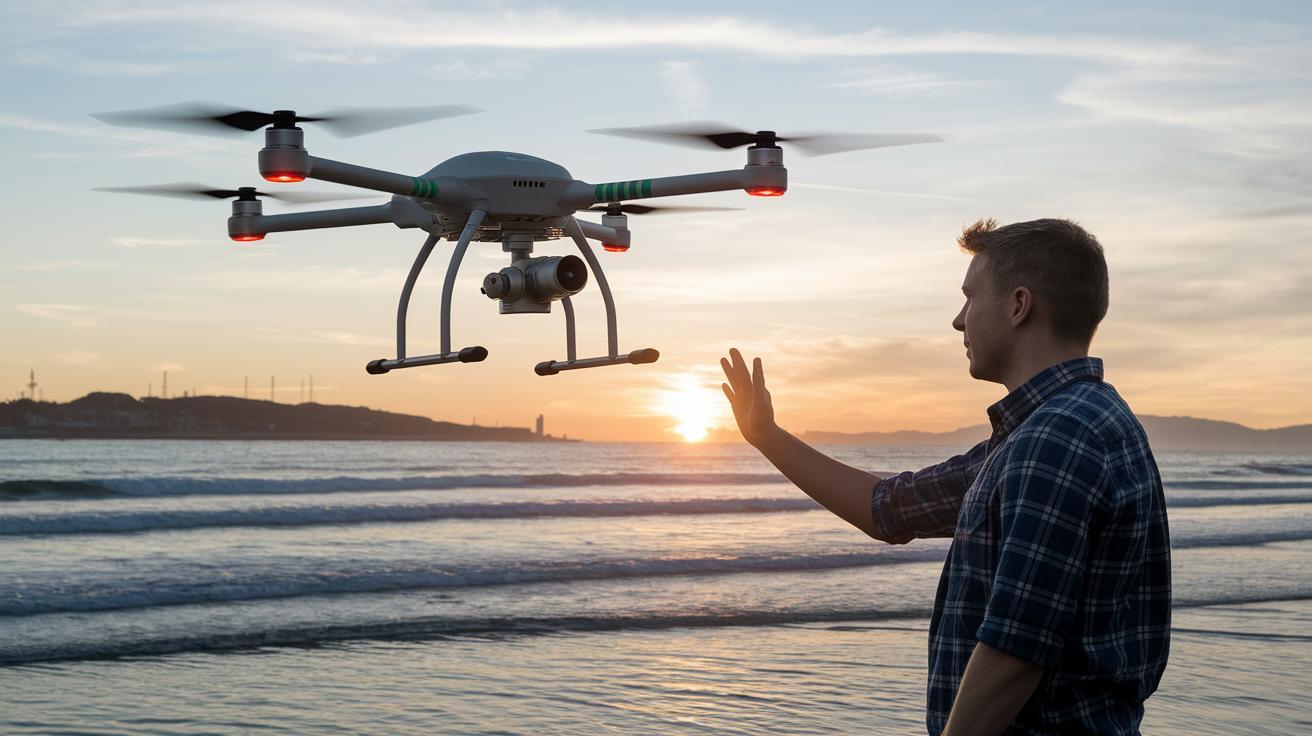
Anduril
Based out of Costa Mesa, CA, Anduril is pushing the boundaries of autonomous defense systems. They recently secured $450 million in a Series D round in March 2024 and are quickly growing their engineering and operations teams. Their innovative technology sparks exciting collaborations in advanced military projects, almost like the ignition of next-generation tech on the battlefield.
Shield AI
From sunny San Diego, CA, Shield AI is breaking new ground with AI-driven autonomy for unmanned aerial vehicles. With an $80 million Series C raised in June 2024, they are actively teaming up with both naval and air force units. Their cutting-edge approach shows how artificial intelligence can drive mission precision and boost operational safety, making it a standout in the tech scene.
Epirus
Hailing from Hawthorne, CA, Epirus is known for its directed-energy counter-UAV platforms that neutralize airborne threats swiftly and efficiently. They closed a $50 million Series B round in April 2024 and are working closely with the Department of Defense on research and development projects. By focusing on energy-based defense, they’re shifting the game in counter-drone strategies in a big way.
Fortem Technologies
Located in Pleasant Grove, UT, Fortem Technologies specializes in radar-based drone detection and interception solutions, essential for today’s security landscape. Their $20 million Series A round in February 2023 powered the rollout of their systems at key defense sites. Fortem’s real-time interception capabilities play a crucial role in protecting sensitive operations and building robust counter-drone networks.
Mach Industries
From Huntington Beach, CA, Mach Industries creates composite UAVs designed for both maritime and land missions. After securing a $15 million seed round in November 2023, they’ve ramped up their manufacturing prowess. Their versatile UAV designs mix innovative ideas with practical defense strategies, making them a smart player in the defense tech arena.
Shift
Based in San Francisco, CA, Shift uses battlefield data analytics and predictive maintenance to deliver smart defense solutions. With $25 million raised in a Series A round in January 2024, they are piloting projects with allied defense agencies. By combining data-driven insights with real-world applications, Shift is setting the stage for more proactive and efficient defense systems.
Government Contracts and Regulations for Defense Tech Startups
Defense tech startups face a unique contracting maze shaped by strict DoD procurement rules. These companies are required to follow detailed FARS and DFARS guidelines, meaning every project is under close watch for accuracy, security, and overall reliability. Unlike typical commercial ventures, these startups often need specialized security clearances to work in classified environments. It’s a setup that demands precision, you really have to keep a sharp eye on every single regulatory detail.
Government contracts in this arena usually come with competitive small-business set-asides, and programs like SBIR and STTR open up key opportunities. These initiatives are crafted to boost defense entrepreneurship by backing innovative solutions that tackle national security challenges. For a defense tech startup, landing one of these contracts can dramatically shift its growth path, so strategic compliance is not just important, it’s essential.
Staying ahead means continuous, proactive monitoring and an ability to adapt in this demanding regulatory world.
Challenges and Future Outlook for Defense Tech Startups
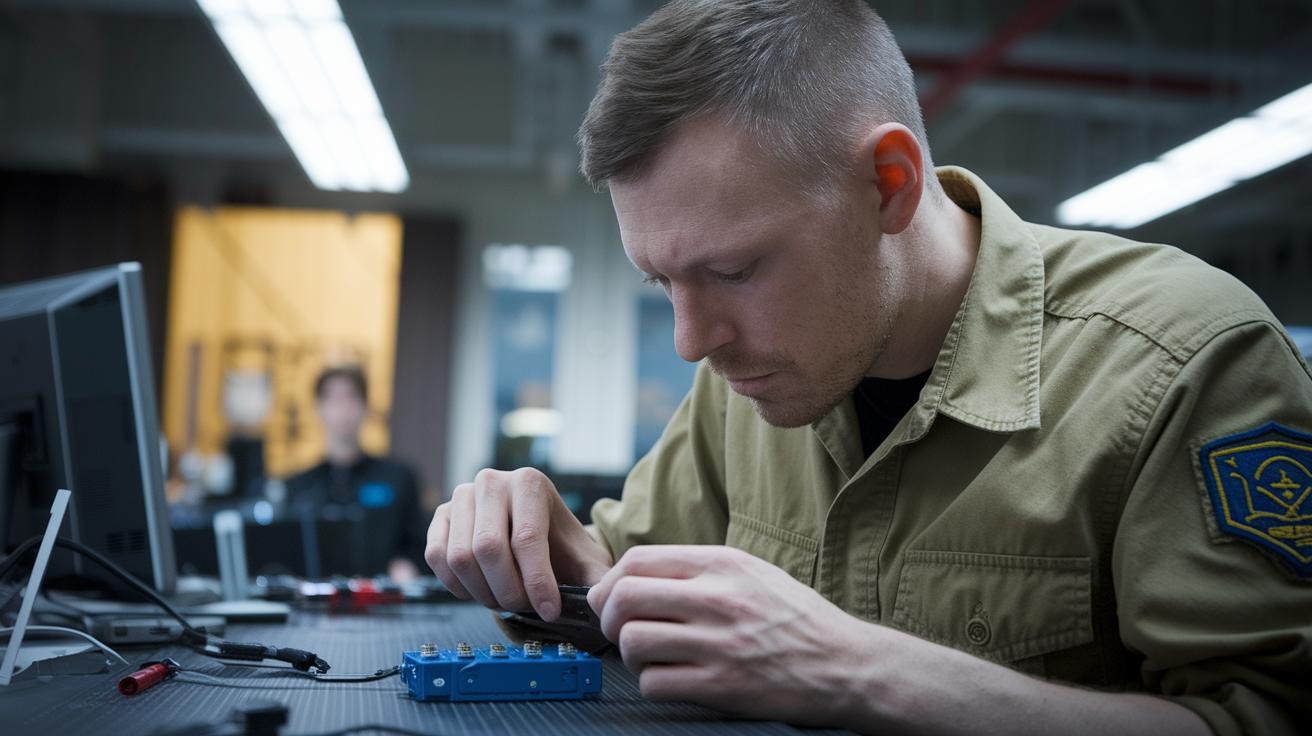
Developing next-generation defense technology is no small feat for startups. They have to rush through accelerated prototyping phases, constantly tweaking designs to keep up with tight schedules. Yet, long procurement cycles often slow them down and stretch their resources thin. And on top of that, they must meet strict regulatory rules that demand deep expertise and special security clearances.
Then there’s the challenge of recruiting the right talent. The market is hungry for engineers skilled in areas like AI (software that mimics human intelligence), cybersecurity (protection against digital threats), and autonomous systems. Startups need to continuously hire and develop these experts who can blend innovative ideas with strict compliance. Naturally, this pushes operational budgets higher and shapes broader strategic plans.
Looking ahead, the horizon seems promising. Trends indicate a major shift in defense technology. Analysts are predicting a rise in digital warfare platforms that use smart, AI-driven decision tools, alongside coordinated unmanned swarms and robust communication networks resilient even in hostile scenarios. These breakthroughs in cutting edge technology are set to boost defense tech startups, equipping them with new operational strengths and sharper tactical responses.
Even with these challenges, innovative strategies and flexible business models could turn obstacles into opportunities. Ultimately, the current hurdles may pave the way for significant disruption across the defense industry.
Final Words
In the action, we saw how defense tech startups are driving key technological shifts with advanced AI, autonomous systems, and sensor innovations. The post outlined critical funding trends, notable company profiles, and the inner workings of government contracts, all crucial for understanding today’s tech scene. Cutting-edge defense tech startups continue to make impressive strides, inspiring confidence and a bright outlook for future developments. Stay curious and engaged as you witness these innovations shape the tech world.
FAQ
What are some of the top defense tech startups in the USA?
The defense tech startups in the USA include companies like Anduril, Shield AI, Epirus, and Fortem Technologies that are recognized for their advanced autonomous systems, counter-drone solutions, and AI-driven platforms.
What distinguishes companies like Anduril and Shield AI in the defense industry?
The defense tech companies Anduril and Shield AI specialize in developing autonomous defense systems and AI-driven unmanned platforms, attracting large funding rounds and demonstrating rapid growth in mission-critical technology.
How is the defense tech market structured across the United States?
The defense tech market shows strong regional clustering, with key hubs in California, Utah, and other states, mapping diverse startups that innovate in areas ranging from sensor fusion to AI-enabled autonomous systems.
What role do AI defense startups play in advancing military technology?
The defense tech AI startups focus on building solutions such as decision support systems, autonomous swarming, and secure communications, significantly boosting mission-readiness and operational efficiency in modern defense strategies.
Which defense companies are considered the most innovative?
The defense tech companies regarded as the most innovative include Anduril, Shield AI, and Epirus, each pushing the boundaries in areas like autonomous operations, directed-energy countermeasures, and counter-drone technologies.