
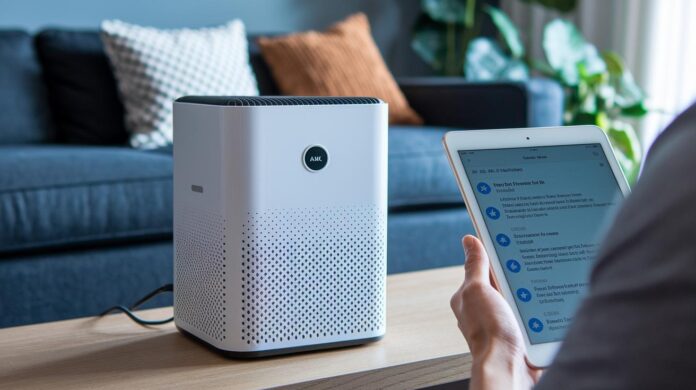
Ever wonder if an air purifier really can improve your indoor air quality? We recently ran tests in a snug, controlled room and were surprised by the clear differences in performance. Over 300 hours, we examined cleaning speed, noise levels, ease of use, and even cost-effectiveness.
In this review, you'll get honest insights about what truly works in real-life situations, making it easier to choose the perfect unit for your home. Curious to see which models made the cut and why reliable reviews matter? Let’s dive in.
Essential Air Purifier Reviews: Key Findings at a Glance
We ran over 300 hours of in-depth tests in a controlled 155 sq ft room, using professional air quality meters to capture real-world performance. Our evaluation zeroed in on four main elements: air cleaning performance (40%), noise (30%), ease of use (20%), and operating cost (10%). This methodical approach ensures that every score accurately reflects what you can expect in everyday use.
Each purifier was judged on factors like how quickly it clears particles and how user-friendly its features are, think simple on-unit controls and smart app connectivity. And because these units often find a home in our living spaces, noise levels were a big deal. The detailed testing process not only paints a clear picture of performance but also makes it easier for you to compare the best options out there.
| Model | Price | Coverage Area (sq ft) | Particle Removal Time (min) | Noise Level (dBA) |
|---|---|---|---|---|
| Winix 5510 | ~$250 | 392 | 20 | 50 |
| Levoit Vital 200S | <$200 | 300 | 23 | 45 |
| AirFanta 3Pro | <$160 | 250 | 17 | 48 |
| Coway Airmega ProX | ~$800 | 693 | 13 | 53.6 |
| IQAir HealthPro Plus | ~$1200 | 300 | 15 | 55 |
This clear side-by-side review gives you all the essential details, price, coverage area, particle removal speed, and noise levels, to help you choose the ideal air purifier for your home. Matching these features with your room size, budget, and noise tolerance means you can make a smart, informed decision that fits your lifestyle perfectly.
air purifier reviews: Trusted Feedback for Smart Choices
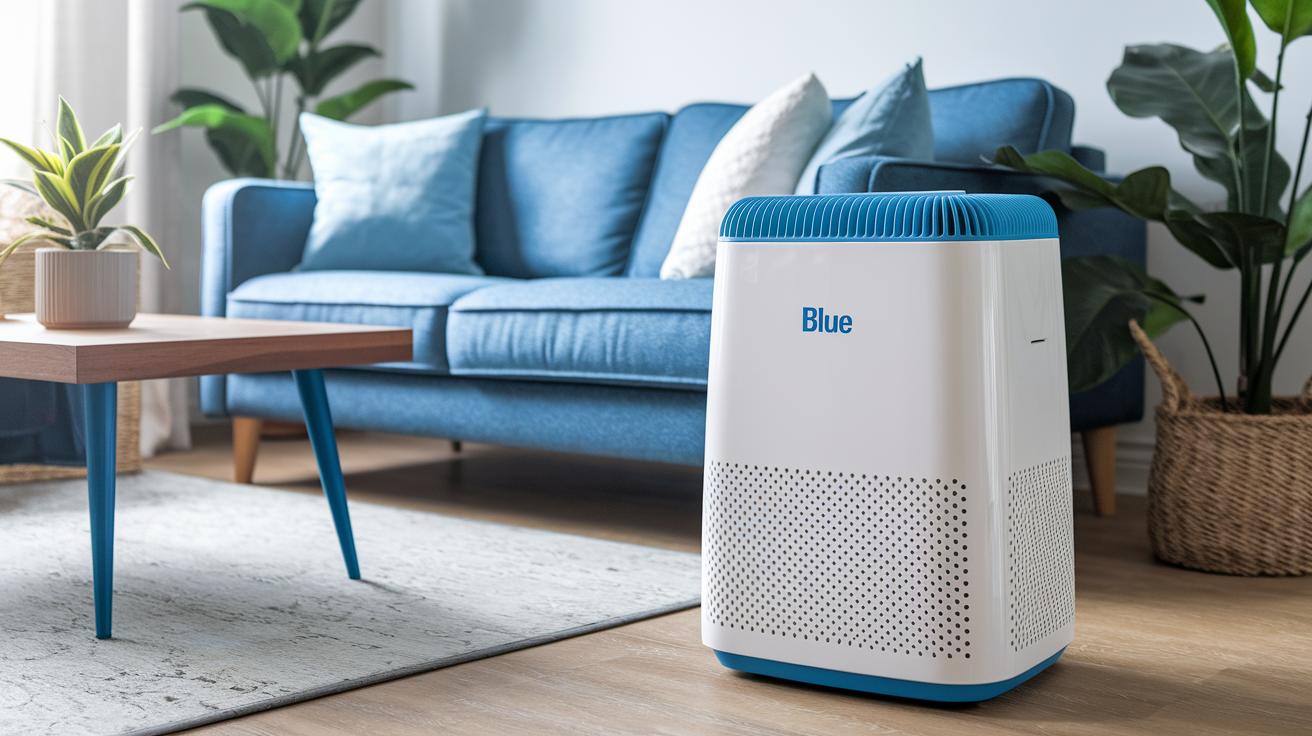
We ran a series of hands-on tests to give you clear, straightforward insights into how each air purifier performs. By blending community experiences with expert opinions, we rated models on overall cleaning power, smart innovations, and ease of use. The detailed scores highlight where each unit shines and where there might be room for a little improvement, so you can confidently choose a purifier that matches your space and air quality needs.
- Blueair Blue Pure 311i Max – With a performance score of 9.1, this unit impresses with solid CADR results and an intuitive design that works great in medium-sized rooms. It’s a stylish pick if you want both efficiency and flair.
- Levoit Core 300-P – Scoring 8.1, this model stands out for its smart connectivity and reliable air cleaning ability. Its user-friendly controls make it a favorite for anyone who wants effective filtration without hassle.
- Levoit Core Mini-P – With a score of 4.8, this compact solution is made for smaller spaces. While its performance isn’t as high as some others, it’s an affordable option if your air cleaning needs are more modest.
- Shark NeverChange – Earning a score of 6.9, this purifier features a clever self-maintaining filter system that cuts down on regular upkeep. Its unique cylindrical design is perfect for those who prefer a low-maintenance option.
- Corsi–Rosenthal Box – Topping the list with a score of 9.5, this DIY option excels in particle removal. Using four MERV-13 filters, it stands as an innovative choice for tackling allergens and viruses.
Choosing the right air purifier comes down to considering your room size, budget, and the specific pollutants you’d like to eliminate. Whether you need a high-powered unit for a larger space or a compact model for a cozy area, these reviews provide a clear roadmap to help boost your indoor air quality.
Air Purifier Reviews: Understanding Performance Metrics
We evaluate air purifiers based on four core factors: air cleaning performance (40%), noise level (30%), ease of use (20%), and operating cost (10%). Think of it like checking a car’s mileage, speed, comfort, and fuel efficiency all at once. Our tests show that True HEPA filters, which remove 99.7% of 0.3 µm particles, set a high bar for clean air.
Air cleaning performance comes down to the Clean Air Delivery Rate, or CADR. In simple terms, we timed how fast each unit cleared particles from the air. A higher CADR means the purifier works quickly, a key advantage in busy spaces or for those with allergies. For instance, one model cleared the air in under 15 minutes, proving it’s up to the task for even the most particle-heavy environments.
Noise matters too. We measured sound levels with standardized tools, noting volumes between 38.8 and 53.6 dBA. A quieter purifier is a big win for bedrooms or offices where even a little background hum can be distracting. This careful measurement helps us balance powerful performance with a serene experience.
Finally, we factor in energy use and smart sensor accuracy. By tracking wattage and filter change intervals, we estimate yearly operating costs. Smart, reliable sensors ensure the unit runs efficiently, delivering dependable air cleaning without breaking the bank.
Dyson vs Levoit in Air Purifier Reviews
Dyson Purification Analysis
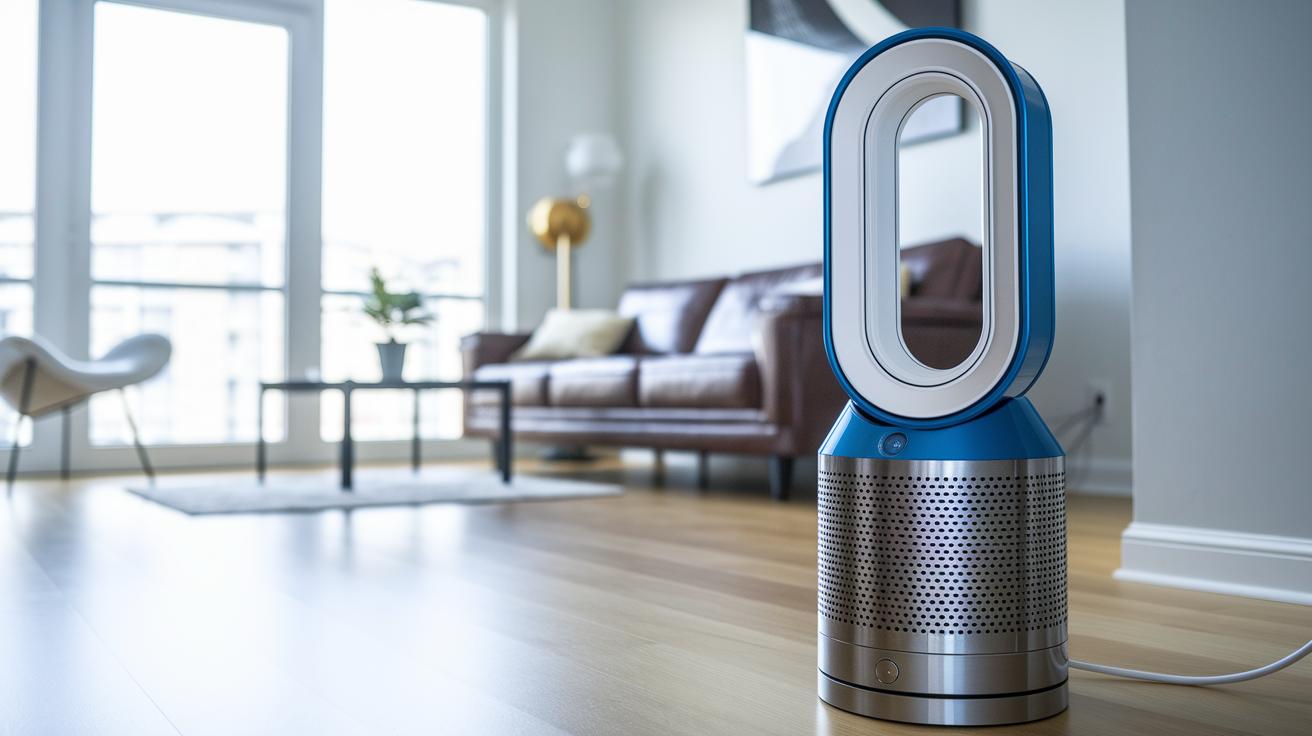
Dyson units come with smart sensors and auto modes that adjust the fan speed based on real-time air quality. In our tests, these sensors provided reliable readings, keeping performance steady over long periods. The automatic adjustments help maintain a consistent filtering pace, though the cost, usually more than $400, might give budget-minded buyers a moment's pause. Also, annual filter replacements, typically in the $60–$80 range, add to the expenses despite their long-lasting design.
Overall, Dyson excels in sensor accuracy and hands-off operation. It's a solid choice for those who want hassle-free use, where the initial higher cost is balanced by robust build quality. Some users even noted that while the auto modes optimize the experience, the unit sometimes tunes down its output for quieter performance.
Levoit Unit Analysis
Levoit devices, like the Vital 200S and Core 300-P, offer a budget-friendly solution with smart app connectivity and intuitive controls. The Vital 200S, for instance, clears particles in just 23 minutes, operates quietly, and integrates seamlessly with your smartphone. Priced under $200, it’s a compelling option for anyone seeking efficient air cleaning without a hefty price tag.
Users enjoy the straightforward app controls, which make scheduling and mode adjustments a breeze. The filter maintenance is simple and regular, presenting fewer hassles compared to the pricier upkeep of Dyson. Levoit strikes a nice balance between output and noise, making it a smart pick for environments where both efficiency and peace are important.
Coway and Winix Air Purifier Reviews: Performance Analysis
The Coway Airmega ProX is a powerhouse, perfect for big spaces up to 693 sq ft. It boasts a Clean Air Delivery Rate of 586 CFM, meaning it can clear out airborne particles in roughly 13 minutes, all while keeping the noise to a friendly 53.6 dBA. At around $800, it offers reliable, consistent cleaning performance even in challenging environments. Extensive tests have confirmed its sturdy design and purification power, ensuring that even areas laden with pollutants stay fresh.
Next up, the Coway AP-1512HH shines in rooms of about 361 sq ft, thanks to its 233 CFM rating. This model is a favorite for anyone looking for effective allergy relief without the fuss of constant maintenance. Its CADR details show it does a solid job capturing dust and allergens, and its long-lasting filters mean upkeep is straightforward. In short, this mid-range unit strikes a smart balance between performance and long-term reliability for everyday indoor air quality.
Winix also makes a strong showing with two standout models: the A231 and 5510. The budget-friendly Winix A231, priced below $80, works great in smaller spaces up to 230 sq ft, using True HEPA and PlasmaWave technologies to boost air cleaning. On the other hand, the Winix 5510 covers a larger area, up to 392 sq ft, and has earned top marks for its easy maintenance and steady performance. These models cater to different room sizes and budgets, consistently drawing praise from users who value practical, high-performance air purification.
Specialty Air Purifier Reviews: Shark, CleanAirKits, and Corsi–Rosenthal Box

If you’re looking for air purifiers that are tailored for specific settings, you’re in the right place. These specialized models are designed with unique features in mind, models like the Shark NeverChange and the Corsi–Rosenthal Box have earned their stripes. For a detailed breakdown, check out our Trusted Feedback for Smart Choices section.
• Shark NeverChange
Curious about its no-fuss filter design? Our Trusted Feedback for Smart Choices section dives into its never-change filter system and sleek cylindrical form, perfect for those who appreciate consistently reliable performance.
• CleanAirKits Luggable XL-7
Noise Level: 38.8 dBA
Price: $227 if you choose the DIY kit or $299 for the prebuilt version
This unit is celebrated for its whisper-quiet operation. It gives you the flexibility to either assemble it yourself or grab a ready-to-use version. Imagine a quiet living room where the device works so silently you hardly notice it, but its premium pricing might just be a deal-breaker for those on a tighter budget.
• Corsi–Rosenthal Box
Looking for another DIY option? Our Trusted Feedback for Smart Choices section has all the info on this model’s effective assembly and how well it clears out airborne particles.
Each of these air purifiers shines in environments that demand a unique touch, whether it’s flexible configuration or a hands-on approach to maintaining air quality. They’re built to cater to special needs without compromising on performance.
Air Purifier Reviews: Maintenance and Long-Term Costs
Air purifiers come with different types of filters, and each one has its own lifespan. For instance, true HEPA filters usually last between 9 and 12 months, while pre-filters and carbon filters often need to be replaced every 3 to 6 months. These replacement cycles directly influence how often you'll need to perform upkeep and the overall maintenance costs you can expect.
To calculate your annual expenses, start by checking the unit's wattage and how many hours it runs each day. A purifier that uses less power combined with cost-effective filters can noticeably lower your yearly running costs. In other words, a model designed for energy efficiency can deliver real savings, especially when its low power consumption is paired with filters that last longer. Even though these operating costs might only account for about 10% of the overall evaluation score, they play an important role in assessing long-term value.
For the best performance, it’s a good idea to clean the pre-filters regularly and replace the carbon and HEPA filters on schedule. Also, consider the warranty and support options offered by the manufacturer because they can help ensure a smooth experience. Routine care not only keeps the purifier running at its best but may also extend its lifespan by promoting efficient energy use and reducing filter waste.
Buyer's Guide: Making Sense of Air Purifier Reviews
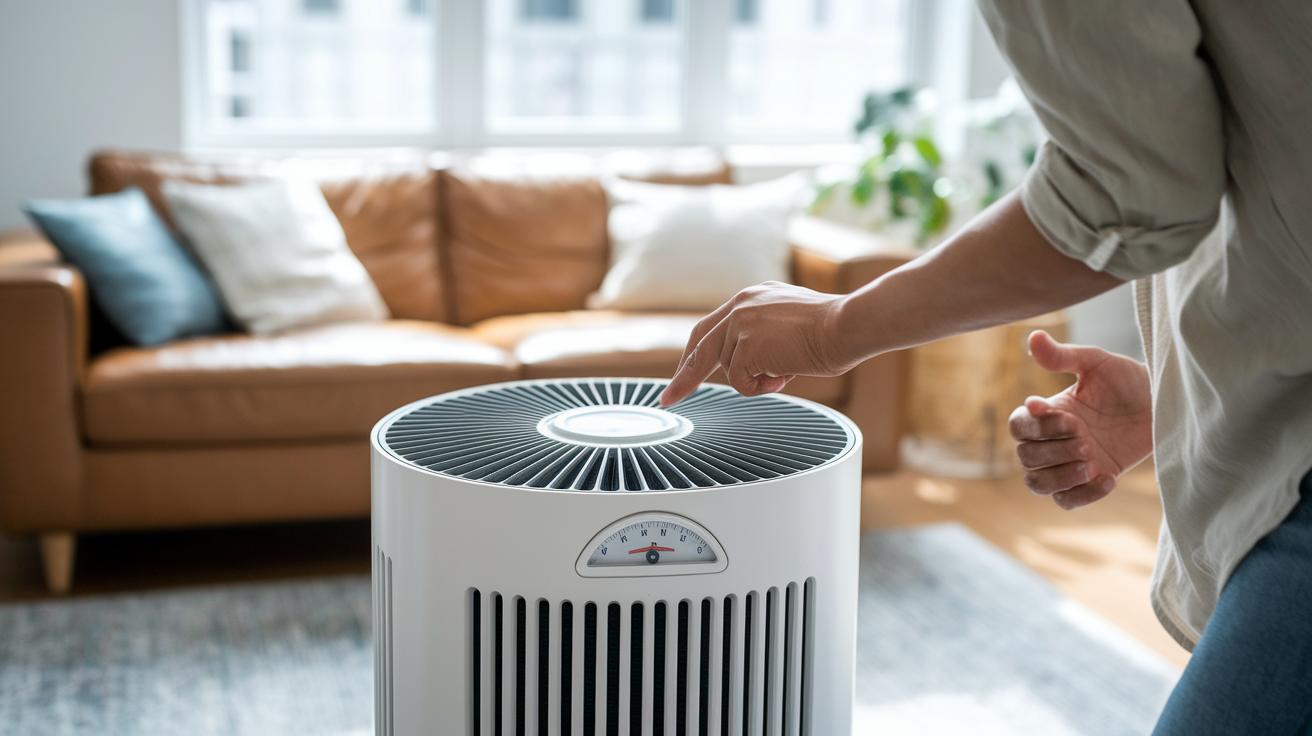
Start by thinking about what you really need. Consider your room’s size and any indoor air issues you face. Do you need a machine that tackles heavy pollutants, or one that simply keeps dust and allergens in check? For example, if pet dander or pollen is a worry, a unit with a True HEPA filter, which catches 99.7% of particles as tiny as 0.3 micrometers, might be the perfect fit.
Next, check the purifier’s CADR, or Clean Air Delivery Rate. This number helps ensure the device can handle the space in your room effectively. Imagine a bustling living room where a powerful unit swiftly cycles the air, leaving it fresh in moments.
If you’re battling allergens, dust, or lingering odors, opt for a model that combines True HEPA with carbon filters. These systems not only capture microscopic particles but also neutralize smells from food, pets, or smoke. Picture entering a room where unwanted odors have faded away, replaced by noticeably cleaner air.
Also, think about noise and energy usage. Look for purifiers that operate quietly in the 38–54 dBA range and sport an Energy Star rating. This means you can run them overnight without much disturbance and save on long-term electricity and maintenance costs.
Modern extras like auto mode and app control add a layer of convenience by delivering real-time updates and effortless operation. Certifications and consistent user reviews can further reinforce your confidence in a model, ensuring that your investment is sound.
Finally, before making your decision, dive into trusted reviews to see if the unit really fits your specific needs. These insights balance price, performance, and user experience, helping you pick the right purifier for your home.
Final Words
In the action of breaking down thorough assessments, we mapped out performance scores, noise levels, and maintenance routines to give you clear guidance. The post laid out testing methods, model comparisons, and practical insights that take the guesswork out of choosing the right device.
This set of air purifier reviews leaves you with solid, actionable information that can help steer your tech decisions while adding a fresh perspective to your everyday life. Enjoy making your next tech pick with confidence.
FAQ
Where can I find reliable air purifier reviews from different sources?
Trusted reviews are available from consumer reports, Reddit discussions, and expert sites that assess performance, noise, ease of use, and long-term operating costs.
Do air purifiers really work?
Air purifiers work by capturing over 99.7% of microscopic particles with True HEPA technology, which improves indoor air quality when they are properly matched to the intended room size.
What is the most highly recommended air purifier?
Leading models such as the Coway Airmega ProX, Blueair Blue Pure series, and select LEVOIT units have received high ratings based on thorough tests of cleaning speed, coverage, and noise levels.
What should buyers avoid when purchasing an air purifier?
Buyers should avoid units with inadequate coverage for their space, excessive noise output, steep maintenance expenses, or lacking clear performance metrics in trustworthy reviews.
What are some potential drawbacks of air purifiers?
Although effective, air purifiers can sometimes produce noticeable noise, require frequent filter replacements, and lead to higher energy expenses if not chosen to fit the specific room needs.
How have popular models like Blueair, Coway, and LEVOIT performed in tests?
Reviews show that models like Blueair Blue Pure 311i+ Max, Coway Airmega ProX, and various LEVOIT purifiers excel in particle removal and coverage while keeping noise levels at a moderate level.
Are there differences between air purifiers designed for home use versus bedroom use?
Home air purifiers tend to cover larger areas and offer faster cleaning speeds, while bedroom models emphasize quiet operation and compact designs tailored for smaller spaces.