

Have you ever been intrigued by a simple shape that repeats over and over? Fractal tech takes basic math and turns it into mesmerizing patterns that echo the beauty of nature. It’s like watching a snowflake unfold or hearing a catchy riff in your favorite song.
This smart approach isn’t just for show, it’s changing the way we build materials, create realistic graphics, and even optimize data. Every little detail offers a fresh perspective that can transform everyday projects into innovative works of art. In truth, fractal tech is fueling smarter engineering and sleeker digital designs, giving our projects an efficient and exciting twist.
Fundamentals of Fractal Technology in Modern Innovation
Fractals are intriguing shapes built from simple math that repeat endlessly, transforming a basic rule into a continuously evolving design. They mirror patterns you often see in nature, creating an organized yet beautifully complex image. In simple terms, fractals are shapes that show similar patterns no matter how closely you look.
At the core, fractals rely on two key ideas: self-similarity and recursion. Self-similarity means that even a tiny piece of the fractal looks like the whole thing, kind of like how a single branch reflects the shape of an entire tree. Recursion lets these shapes develop by applying the same rules over and over, layer by layer, which brings out incredible detail. Ever zoomed in on a digital fractal? Each level unveils more of the design, proving that simple algorithms can create stunning visual complexity.
Here are a few cool ways fractal concepts come to life:
| Application | Description |
|---|---|
| Procedural Graphics | Fractal algorithms generate realistic textures and landscapes, making digital scenes feel natural. |
| Engineering Simulations | Recursive models help predict how materials behave under stress. |
| Network Modeling | Fractal patterns mimic the intricate web of connections in complex systems. |
| Data Compression | Techniques inspired by fractals compress data by recognizing and repeating patterns. |
| Algorithmic Optimization | Using recursive methods, problems get solved more efficiently, cutting down on heavy computations. |
By weaving fractal technology into projects, digital innovators and tech events are pushing the envelope on what’s possible. It turns theory into practical tools that simplify complex systems and inspire creative problem-solving. In today’s dynamic tech scene, fractals aren’t just fascinating math, they’re a key driver in modern design and engineering challenges.
Implementing Fractal Tech in Complex Systems Modeling

Modeling real-world complexities really stretches traditional techniques. When you try to capture systems with many layers and ever-changing behaviors, regular algorithms just don’t cut it. Fractal tech offers a fresh perspective by using recursive design and dynamic frameworks to handle these challenges head on.
| Model Type | Key Fractal Feature | Benefit |
|---|---|---|
| Structural Modeling | Self-Similarity | Enhanced precision in stress simulation |
| Network Analysis | Recursive Patterns | Improved prediction of connectivity |
| Fluid Dynamics | Dynamic Scaling | Accurate flow analysis |
The beauty of fractal tech lies in its recursive design. This means engineers can build models with a single, repeating rule that captures the detailed complexity of both natural and man-made systems. It’s like assembling a puzzle where every piece mirrors the whole picture, ensuring the design remains efficient and adaptable as things evolve.
Dynamic system frameworks add another layer of strength. By integrating self-similar algorithms, these models mirror the intricate layers of real-world behavior, adjusting smoothly as conditions change. In essence, combining fractal technology with modern design approaches leads to simulations that are both accurate and flexible enough to handle constantly shifting variables.
Leveraging Self-Similar Algorithms and Fractal Pattern Analysis
At the heart of fractal technology lies the idea of recursion. Simply put, recursion means applying the same rule over and over to build something complex from a very simple start. Imagine those Russian nesting dolls, you open one to find a smaller, nearly identical version inside. That’s how a complex design gradually emerges, revealing patterns that repeat at every scale, which is vital when modeling complex systems.
- Define the base case – Start with the simplest element, like using a single pixel as your building block in digital art.
- Apply the scaling rule – Transform that base element into a smaller replica.
- Iterate – Keep repeating the process, layering similar patterns at various sizes.
- Optimize for performance – Tweak the algorithm so it handles growing complexity without bogging down your computations.
Pattern recognition techniques are key to ensuring that the fractal output meets expectations. Basically, these methods automatically check the repeating elements to verify that every step mirrors the intended design. This gives designers and engineers the confidence that their algorithms produce structures that are both consistent and scalable. In other words, self-similar algorithms are not only elegantly efficient but also robust tools for tackling real-world challenges in complex systems modeling.
Fractal Tech in Visual Data Patterns and Algorithmic Aesthetics

Fractal rendering takes abstract math and turns it into stunning digital art. Using repeated, step-by-step algorithms, it mimics the intricate beauty found in nature. At every zoom, you uncover new layers of texture and detail that feel strikingly organic. Designers lean on these recursive calculations to build lifelike images that capture the subtle dance of light and shadow, almost as if nature itself were painting on a digital canvas.
Imagine watching a simple design blossom into an elaborate masterpiece. Every computed step adds richness and depth, resulting in visuals that seem to leap off the screen.
- Procedural texture generation – uses set rules to mimic natural surfaces like wood grain or stone textures.
- Multi-scale detail scaling – crafts images that reveal fresh, intricate details as you zoom in.
- Real-time pattern synthesis – lets graphics dynamically shift and adapt during animations.
- Dynamic level-of-detail management – balances clarity with performance as the visual focus changes.
These cutting-edge techniques are redefining high-definition imaging by merging technical brilliance with creative flair.
Case Studies of Fractal Tech Hubs and Interactive Workshops
Community drives technology forward. Real-world examples show that fractal technology truly shines in places where teamwork is at the forefront. In these buzzing spaces, think digital innovation hubs and modern labs, people come together, share ideas, and engage in hands-on design workshops that combine online learning with live, in-person sessions. It’s where engineering gets creative and fractal ideas help shape an ever-evolving, collaborative learning experience.
| Hub/Program | Location | Key Feature |
|---|---|---|
| Fractal Tech Hub | Williamsburg (near McCarren Park) | A lively workspace that goes beyond what You’d expect from a typical co-working space |
| Fractal University Immersive Workshop | Brooklyn-based | A hybrid experience where small groups learn online and in person |
| Fractal Tech Hub Events | Williamsburg | A series of tech events and community gatherings that spark fresh ideas |
These stories show how powerful it can be to blend fractal technology with collaborative learning. At the Fractal Tech Hub, work feels energetic and vibrant, it really captures the creative buzz of interactive workshops. Meanwhile, Fractal University builds a tight-knit group of innovators who push ideas forward, much like the repeating beauty of fractal patterns. And then there’s the ongoing lineup of events at the Tech Hub, a sort of lab for next-gen thinkers where engineers and designers experiment, learn, and break new ground together.
Integrating Fractal Tech with AI and Emerging Digital Frameworks
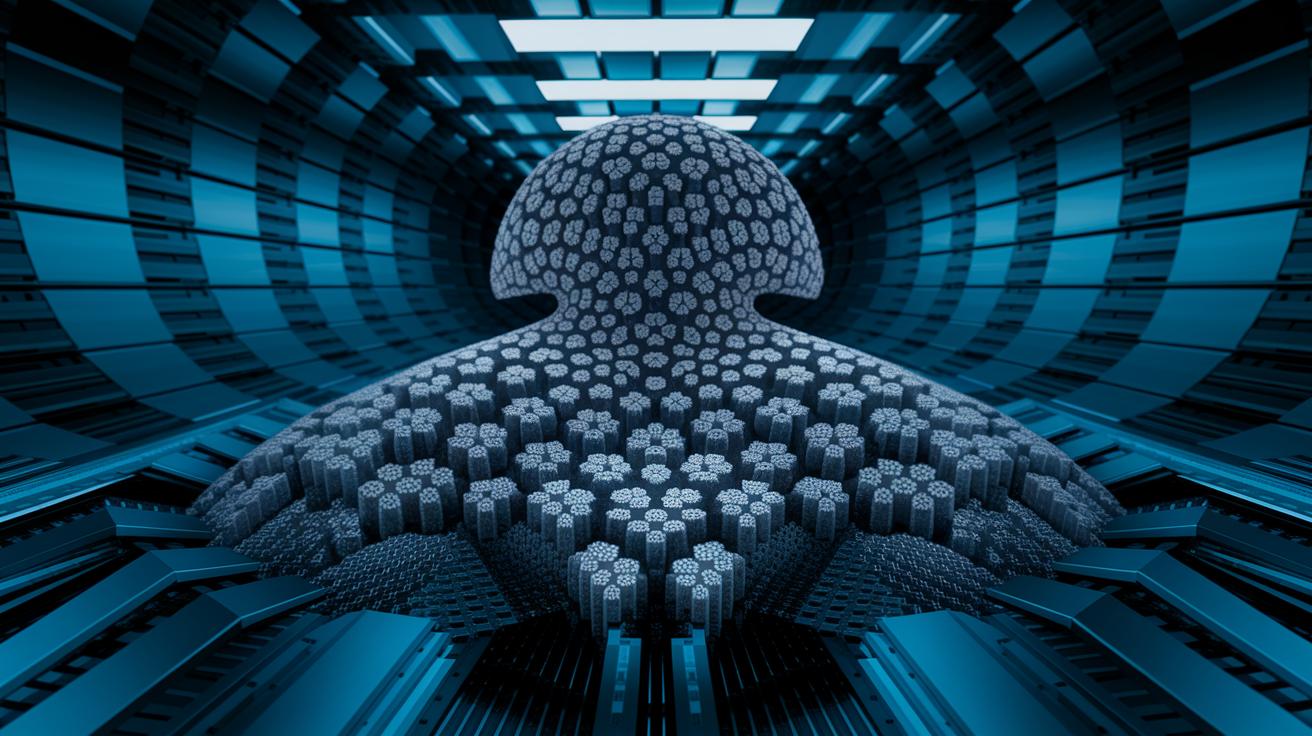
Artificial intelligence is transforming fractal generation by mixing natural complexity with precise algorithms. Neural fractal networks capture layered patterns much like the repeating shapes you see in nature, while recursive GANs, networks that learn by refining details over multiple iterations, take these visuals to the next level. Picture starting with a simple pattern that blossoms into an intricate design, as a single motif expands to cover a whole surface. Early experiments with recursive GANs even revealed that they can generate visuals as complex as the fractal formations found in nature.
Here’s a quick rundown of some key techniques:
- fractal data pipelines – organizing information in repeatable layers to streamline the flow of data.
- fractal-based model tuning – fine-tuning models with iterative refinements to capture consistent design elements.
- API-first fractal services – offering fractal outputs through modular digital interfaces that are easy to integrate.
Meanwhile, emerging digital frameworks are giving these AI-powered methods a bigger stage. Innovation hubs and forward-thinking labs are hosting interactive design workshops where experts and newcomers team up to apply fractal techniques in real projects. At tech events, practitioners share hands-on experiences and insights into merging AI-driven fractals with modern software architectures. One participant even mentioned that watching these algorithms in action sparked new ideas to optimize design using repeating patterns. This collaborative spirit is paving the way for more data-driven design approaches that enhance fractal outputs and lay the groundwork for scalable, adaptable models across various digital platforms.
Building Scalable Infrastructure and Innovation Strategies with Fractal Tech
Distributed fractal architecture opens up a fresh way to scale your systems by breaking down complex setups into smaller, self-contained units. It’s like tackling a giant puzzle by focusing on its recurring pieces, which makes load balancing across multiple nodes feel almost effortless. This approach draws on the natural beauty of fractals, where every piece echoes the whole. Engineers can use these insights to spread heavy processing tasks evenly, ensuring consistent performance even when things get tricky.
Mapping out innovation and refining design workflows with these fractal ideas brings a burst of systematic creativity to tech projects. Teams start spotting familiar patterns, chopping out redundant steps, and gradually honing their processes. When you blend in pattern recognition with a bit of artificial intelligence, think of it as a savvy helper that catches minor hiccups, you end up turning basic ideas into scalable solutions. It’s a smart way for both creative and technical minds to join forces and build balanced, efficient production pipelines.
Final Words
in the action, we reviewed fractal tech’s role in modern innovation, covering everything from its mathematical foundation to practical simulations and algorithm enhancements. We highlighted how self-similar algorithms and visual data patterns empower scalable infrastructure and smarter models. The discussion demonstrated the value of combining digital hubs, interactive events, and AI integration to drive creative design strategies. These insights open paths to fresh perspectives and confident tech decisions, all while showcasing fractal tech as a key ingredient in today’s streamlined digital innovation.
FAQ
What is discussed on Fractal tech Reddit and Bootcamp Reddit?
The question about Fractal tech Reddit and Bootcamp Reddit implies that community forums share experiences, insights, and reviews about fractal technology events and bootcamp experiences, offering a space for collaborative discussion.
What is the Fractal Tech Hub?
The reference to Fractal Tech Hub denotes a collaborative workspace where digital innovators exchange ideas, host events, and develop fractal technology applications in a dynamic community setting.
What does Fractal Tech Luma refer to?
The mention of Fractal Tech Luma points to a specialized area or initiative focused on advanced fractal applications and innovative design techniques within the broader fractal technology community.
What are Fractal tech events about?
The inquiry about Fractal tech events signals gatherings where experts and enthusiasts share insights on fractal designs, present new projects, and foster community-driven innovation in technology.
What do Fractal tech reviews reveal?
The discussion about Fractal tech reviews indicates that expert analyses and user feedback help evaluate fractal technology’s performance, usability, and overall impact across various digital applications.
What kind of content do Fractal Tech photos show?
The question about Fractal Tech photos suggests that images highlight event setups, design examples, and project implementations that showcase the visual and practical aspects of fractal technology.
What is Fractal University?
The term Fractal University describes an innovative learning platform that blends online courses with in-person workshops, offering hands-on experiences and collaborative learning in fractal technology.
What does a fractal company do?
The inquiry about what a fractal company does explains that such companies use fractal design principles to create scalable models and optimize complex systems through pattern-based problem solving.
Is Fractal an Indian company?
The question regarding Fractal being an Indian company seeks clarification on its origins and operational base, typically detailed in the organization’s official background information.
How many employees work at Fractal?
The query about Fractal’s employee count highlights interest in the company’s size and scale, data that is usually available through corporate profiles or public statements.
Is Fractal a SaaS company?
The question about Fractal’s status as a SaaS company asks whether it offers cloud-based software solutions, information that can be confirmed by reviewing its product portfolio and service model.