

Ever wondered if someone’s out there guarding against cyber criminals? The FBI tackles cybersecurity like putting together a puzzle where every piece really counts. Over the years, they’ve evolved early computer crime investigations into bold, decisive actions that protect our digital lives. They mix time-honored methods with modern techniques so our data stays safe while keeping hackers on edge. This dynamic approach really shows how dedicated they are to defending our online world.
FBI Cybersecurity: Bold Response to Cyber Threats
The FBI has been steadily ramping up its cyber defenses ever since it first dabbled in computer crime investigations in the 1980s. They kicked things off with their inaugural cybercrime task forces in 1991, marking the start of a new era in digital law enforcement. By 2002, the creation of the Cyber Crimes Division brought everything under one roof, pooling resources to tackle increasingly sophisticated cyber threats. It's kind of like piecing together a tricky puzzle before the digital age fully took off, laying the groundwork for the strong security measures we see today.
In May 2014, agents at the Special Operations Center in New York City worked closely with more than 40 field offices, all connected through secure channels. This impressive coordination across locations showcased the FBI's knack for operating seamlessly on a national scale. Their ongoing initiatives demonstrate a blend of traditional expertise and cutting-edge computer security techniques, if you're curious, check out their detailed approach here: "Computer Security" – https://brainyreport.com?p=269.
Looking into the future, there were plans back in 2016 to bring onboard 1,000 more agents and 1,000 analysts to further boost cyber investigations. Every move the Bureau makes is a clear sign of their commitment to staying ahead of emerging cyber threats. From humble beginnings to today’s dynamic interagency efforts, their journey reflects an unyielding determination to safeguard our digital world while keeping pace with rapid technological changes.
FBI Cybersecurity Threat Investigations and Case Studies

Recent federal cyber threat research brought together some major players. The FBI, NSA, Cyber National Mission Force, and the United Kingdom's National Cyber Security Centre all released a joint advisory on suspicious activities tied to Russia's Foreign Intelligence Service. You might have heard this actor by several names such as APT29, Midnight Blizzard, Cozy Bear, or the Dukes. Imagine getting an alert that spells out a covert operation by a notorious group, it's a real-life glimpse into digital espionage that plays a critical role in guarding our national security.
Advanced cyber investigations now lean heavily on quick patch deployments and keeping software current. Just recently, Microsoft rolled out an important security update to fix a remote-code-execution flaw affecting several Windows Server versions. This kind of rapid response is key to closing vulnerabilities before they turn into big problems.
Secure, interagency communication remains a cornerstone of today's cyber investigations. Law enforcement teams use dedicated, private channels and websites to share live data, ensuring they can react fast when high-stakes scenarios occur. It's a bit like having a secure walkie-talkie that keeps everyone connected in real time.
For anyone looking to understand more about the modern techniques used to analyze digital evidence, there’s a great resource called Forensic Technology (https://sitescard.com?p=853). This guide covers the streamlined process of gathering and examining data from malware, mobile devices, and networks. In truth, the combination of shared alerts, timely software updates, and cutting-edge forensic methods keeps cyber investigations as dynamic and effective as ever.
Collaboration and Advisory Alerts in FBI Cybersecurity
The FBI is retooling its cybersecurity game by building stronger partnerships both at home and overseas. It’s setting aside old methods for a more unified approach, teaming up with the NSA, the Cyber National Mission Force, and the UK’s National Cyber Security Centre. This fresh strategy helps share vital intelligence quickly and alerts teams to threats from more than 40 field offices.
Key improvements include:
| Improvement | Description |
|---|---|
| Instant Intelligence Sharing | Critical data moves across centers in real time. |
| Smart Advisory Systems | Teams get rapid notifications of emerging cyber threats. |
| Adaptive Framework | A system that evolves with the fast-changing digital risk landscape. |
These updates have made FBI alerts more effective and responsive, all without reworking existing interagency practices.
FBI Cybersecurity Risk Reduction and Mandates
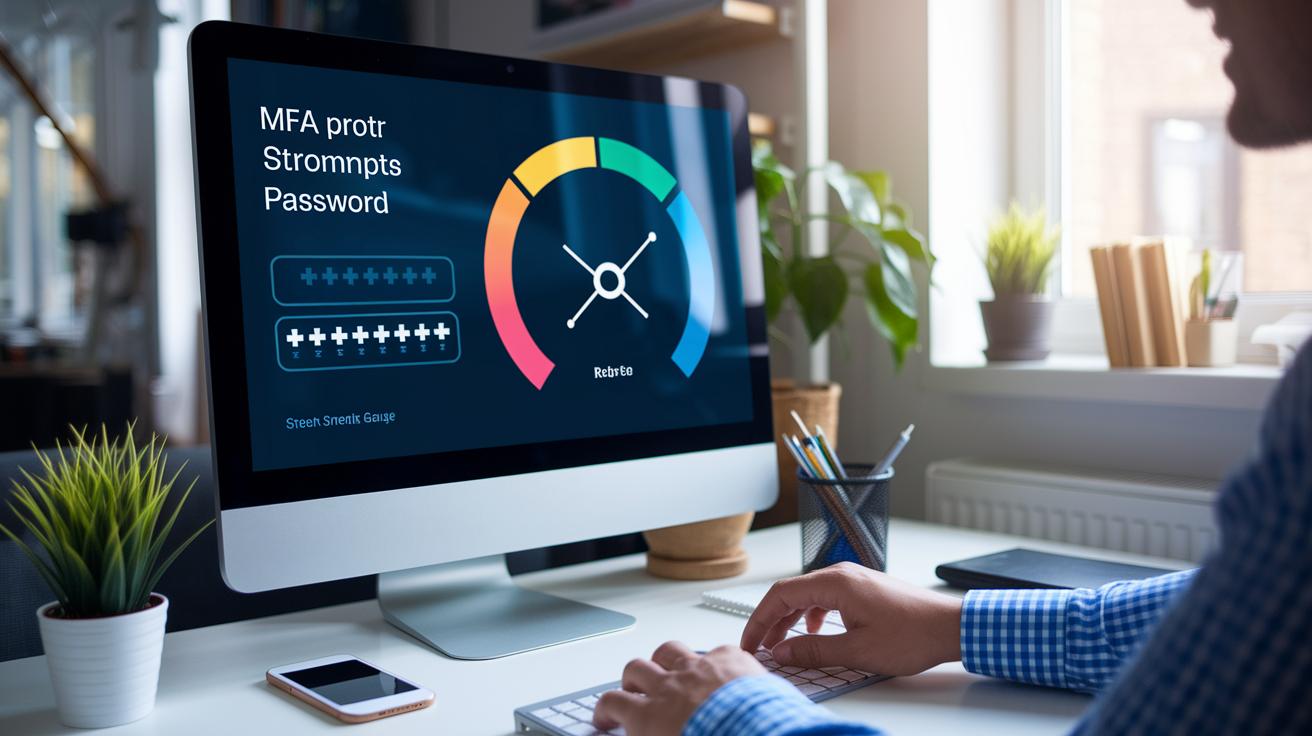
The FBI enforces digital safety rules that push organizations to adopt strict password policies, multifactor authentication (which means verifying your identity in more than one way), and robust data backup routines. Fun fact: any delay in updating essential systems can be as risky as leaving a window open during a storm.
These rules need ongoing oversight and automated compliance checks to make sure security remains current and resilient. They come with clear guidelines that focus on creating strong passwords and using multifactor authentication to verify user identity across multiple checkpoints.
The Bureau’s Protective Services also steps in by providing practical advice to safeguard critical infrastructure and ease disruptions during cyber incidents. In essence, these proactive measures are all about prevention rather than the reactive fixes, like emergency patches and alert systems, that are described in other sections.
Together, these efforts form a layered strategy at the heart of the FBI’s cybersecurity approach, drawing a clear line between proactive digital safety practices and the rapid responses used in other scenarios.
FBI Cybersecurity Careers and Recruitment Pathways
The FBI is always on the lookout for individuals who are passionate about defending our digital world. They offer roles like Special Agent, Security Specialist, IT Specialist, Digital Forensic Examiner, Management and Program Analyst, and Intelligence Analyst, each crafted to tackle intricate cybercrime issues and strengthen our country's digital security.
If you’re considering a spot on this elite team, you’ll need a four-year degree or more in computer science, engineering, or a similar discipline. Most positions also look for hands-on experience with IT or cybersecurity, so your academic background is paired with real-world knowledge. For those focusing on network protection, you can get more details on what’s expected by checking out the Network Security link (https://brainyreport.com?p=198).
The selection process is extremely competitive, with fewer than 20 percent of applicants making the cut. If you're aiming to be a Special Agent, prepare for a computerized test, a writing sample, and a physical fitness exam, only about 15 percent of candidates move forward after this stage. This careful screening helps ensure that only those who excel both mentally and physically get the job.
Strict drug policies apply too; candidates must show they’ve avoided marijuana for at least a year and any illegal substances for ten years. This standard is key for handling the critical, sensitive tasks of national security work.
Beyond technical prowess, FBI roles demand strategic thinking, quick decision-making in crisis situations, and a commitment to continuous learning. Each position plays a vital part in fighting digital threats and safeguarding our nation’s cyber infrastructure. With clear paths for advanced training and career growth, the FBI remains a magnet for top talent ready to build a secure, resilient digital future.
Training, Qualifications, and Advancement in FBI Cybersecurity

The FBI keeps evolving its training programs to tackle the latest cyber challenges, ensuring that every team member stays ahead of potential threats. They now blend online courses with practical, hands-on digital investigation exercises, making learning both flexible and engaging. Imagine diving into a digital forensic course where each lesson feels like discovering how to piece together vital clues from everyday devices. This continuous learning approach helps every agent adapt quickly when new cyber risks emerge.
The cyber training program includes interactive tutorials in digital forensics and workshops on advanced data analysis. In these sessions, experts patiently break down complicated procedures into easy-to-follow steps. Picture a workshop where you watch specialists reveal how to extract hidden digital clues from a breached system, turning a challenging task into an intriguing puzzle. These regular updates build not only deep theoretical knowledge but also the practical skills needed in today’s cybersecurity world.
From day one, security clearance steps are woven right into the training. This means that as agents build their technical prowess, they also learn how to manage sensitive investigations securely. The training program uses strict evaluation criteria to make sure everyone meets the high standards required for handling serious cyber incidents.
Advancement within the division is tied to certification milestones. Every online course and in-person workshop is designed to refine an agent’s technical skills while opening the door to higher responsibility roles. In truth, it's a step-by-step journey that prepares each trainee to take on bigger challenges and leadership positions in the field.
Final Words
In the action, we recapped the FBI cybersecurity story, from early cyber investigations to robust risk reduction plans. The outline journeyed through groundbreaking case studies and job opportunities shaping digital safety, highlighting collaboration among top agencies. It also detailed targeted training and recruitment that fuel expert teams to meet modern threats. The insights offered bring clarity to how fbi cybersecurity continues to strengthen digital defense. This discussion leaves us with optimism about a secure, well-prepared future in tech.
FAQ
FBI Cyber Security jobs salary
The FBI cyber security jobs salary reflects competitive federal pay scales, rewarding specialized skills and the rigorous selection process required for these roles across law enforcement and digital protection positions.
FBI cybersecurity jobs
FBI cybersecurity jobs involve diverse roles—from Special Agents to IT Specialists—dedicated to safeguarding digital infrastructure and investigating computer crimes, providing robust career opportunities within federal law enforcement.
FBI cyber security requirements
FBI cyber security requirements include advanced technical degrees, strong computing expertise, and successful completion of intensive physical, written, and background assessments to ensure the highest standards in digital defense.
FBI cybersecurity internship
An FBI cybersecurity internship offers hands-on experience in digital investigations and cyber intelligence, pairing emerging talent with expert mentors to build skills essential for protecting and analyzing national digital assets.
How can I report a scammer to the FBI
Reporting a scammer to the FBI involves submitting a tip through their online form or calling your local field office, which initiates a review process for potential further investigation of cyber crimes.
FBI cyber security phone number
The FBI cyber security phone number varies by region; contacting your local FBI field office or checking the official FBI website will provide the correct contact information for reporting cyber incidents and inquiries.
What happens when you report someone to the FBI
Reporting someone to the FBI triggers an evaluation process where submitted information is reviewed and, if necessary, transferred to specialized teams for further investigation of potential cyber or criminal activity.
FBI cyber security Agent
An FBI cyber security Agent is tasked with investigating digital crimes, protecting sensitive information, and collaborating with partner agencies to secure networks against evolving cyber threats.
Does the FBI hire cyber security?
Yes, the FBI hires cybersecurity experts across various disciplines, including digital forensics, network security, and intelligence analysis, to protect national interests and critical digital infrastructures.
Does the FBI deal with cyber security?
The FBI actively deals with cybersecurity by investigating computer crimes, coordinating with international and domestic partners, and employing advanced technologies to protect federal digital systems and sensitive data.
Is IC3 the same as FBI?
IC3 is a reporting system for internet-related crimes, not a component of the FBI; it serves as an entry point for cyber crime tips that may be forwarded to the FBI for further investigation.
Is FBI or CIA higher?
The FBI and CIA serve distinct purposes—the FBI handles domestic law enforcement and cybersecurity while the CIA manages international intelligence—making direct comparisons of hierarchy inapplicable.