

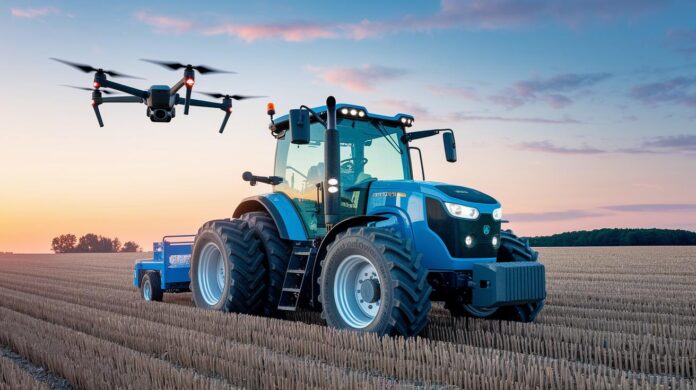
Farming isn't stuck in the past. In fact, smart tools are completely changing how crops are grown and cared for. Imagine checking your phone for the latest updates, technologies like GPS tracking and real-time monitoring give farmers instant insights, much like that quick scroll through your social feed.
These advances help manage fields more wisely by reducing waste and cutting down on tedious tasks. In this article, we'll chat about the new innovations that are paving the way for a greener, smarter future in farming. Curious about how modern tools are reshaping agriculture? Let’s dive in together.
Overview of ag technologies: Key innovations shaping modern farming
Ag technologies bundle together a range of digital tools that boost efficiency, sustainability, and profits on the farm. These smart innovations use methods like GPS tracking, remote sensing, and real-time analytics to help farmers adjust everything from nutrient levels to the precision of planting. Think of it like using a finely tuned thermometer to catch subtle weather changes, only here, satellites check moisture levels in your field, so you can use resources wisely and cut down on waste.
A recent statewide survey by the University of Nebraska–Lincoln Digital Farming Lab highlighted five main categories pushing modern farming forward. They include:
- Agriculture phone apps: Combining GPS and data analytics to offer decision support in real time.
- RTK GPS positioning: Providing accuracy within fractions of an inch, essential for detailed field operations.
- Yield monitoring and mapping: Collecting ongoing crop data to reveal variations across your field.
- Soil grid sampling: Delivering precise soil info to fine-tune nutrient guidelines.
- Automation and robotics: Reducing manual labor while boosting consistency in farm tasks.
Each category brings something unique to the table. For instance, agriculture phone apps serve up immediate insights, while RTK GPS systems allow for pinpoint precision in field operations. Yield monitors paint a detailed picture of field variability, and soil grid sampling ensures that every inch of your land gets the care it needs. Then there’s automation and robotics, which help lighten the manual load and keep things running smoothly.
Today’s wave of digital agriculture is transforming traditional farming practices. These high-tech tools are not mere add-ons but essential parts of a modern, efficient, and sustainable farming operation. When these systems are woven into everyday farm management, they help build a smarter, more resilient operation, one that’s ready to adapt and grow with the challenges of tomorrow.
Precision agriculture innovations in ag technologies

Data-driven precision is at the heart of modern farming. Today’s farm management mixes sensor networks and smart algorithms to offer real-time data. This timely information helps adjust nutrient delivery, issue pest alerts, and drive smarter field decisions. For example, one farmer noticed a 15% drop in nutrient levels detected by a sensor, which led to an immediate mobile alert that saved a major part of his crop.
Agriculture phone apps
Agriculture phone apps are stepping up game time by blending GPS, remote sensing, and advanced data analytics, all wrapped up with practical examples from the field. In Iowa, FarmTech Mobile uses live alerts to guide users on when to tweak irrigation and nutrient treatments. Imagine getting a brief, timely message, much like a quick weather update, that helps you avoid crop stress. These systems also use past data trends to predict pest risks before they escalate.
RTK GPS systems
RTK GPS systems, or real-time kinematic positioning, are reshaping precision in the field with sub-inch accuracy. They rely on nearby base station data and differential corrections to nail exact positioning. New technical improvements let these GPS tools work side by side with automated machinery, ensuring seeding and spraying are spot-on. For example, one Midwest operation used RTK to coordinate its harvest and avoid overlapping fertilizer applications, reducing waste along the way. Platforms like precision technologies now offer this advanced capability, turning raw spatial data into practical efficiency.
Yield monitors and yield maps
Yield monitors that work with GPS now capture continuous combine output and feed the data into advanced mapping algorithms. These smart yield maps not only show where the field performs differently but also use AI to analyze trends and support variable-rate seeding and fertilization. Think of it as having a custom forecast that tells you exactly when to adjust inputs for each segment of your field. By merging real-time data with proactive analytics, you can turn past yield patterns into smarter, forward-thinking management strategies.
Soil grid sampling
Innovations in soil grid sampling are adding a new layer to nutrient analysis. Instead of relying solely on one sample per acre, which means using a handful of composited cores, farmers can now combine this with continuous soil moisture sensor data. The result is a dynamic 3D nutrient map that provides clear guidance for precise treatment plans. Picture it as a diagnostic scan that uncovers hidden nutrient trends, giving you fresh insights to adjust your field treatments for better results.
Automation and robotic solutions in ag technologies
In minimum- and no-till systems, planter modification tools are boosting efficiency while caring for the soil. These innovative tools handle crop residue with precision and deliver fertilizer exactly where it’s needed. Plus, seed-slot closing mechanisms make sure every seed is snug in the soil, which helps with even germination and moisture control. It’s a bit like a chef carefully assembling a gourmet sandwich, every step is thoughtfully planned so that each seed gets the best possible start.
Auto guidance systems are changing the game even further. They combine RTK GPS, inertial sensors, and smart algorithms to keep machines on a nearly perfect course, accurate to fractions of an inch. Whether planting, spraying, or harvesting, autosteering cuts down on fatigue and reduces waste by ensuring every pass is spot-on. The technology works like a finely tuned performance, with each machine following a set rhythm. Thanks to the precise tracks generated by these autonomous vehicles, farmers can devote more time to strategic decisions while technology takes care of the detailed field work.
IoT and data analytics in ag technologies

Today’s farms aren’t just fields; they’re smart spaces buzzing with sensors that monitor everything from soil moisture to crop health. Picture tiny sensors keeping an eye on nutrient levels, pest problems, and overall plant vigor. And thanks to wireless connectivity, devices like ag apps and yield monitors can effortlessly share this information. In simple terms, these sensors convert everyday field details into clear, actionable insights so that every part of the farm gets the attention it needs.
All this data travels to advanced platforms where edge computing (which processes information right on the spot) teams up with cloud services to crunch and display results in real time. This means farmers can quickly see recommendations on easy-to-read dashboards, making it a breeze to adjust operations on the go. Constant updates ensure tasks can be rescheduled or fine-tuned without any delay.
Take a look at some ways this technology is reshaping modern farming:
| Application | Description |
|---|---|
| Variable-rate fertilization | Imagine a fertilizer spreader that tweaks its output based on sensor readings, if dryness is detected, it might suggest a nutrient boost. |
| Irrigation scheduling | Smart sensors help determine the ideal times to water, ensuring optimal soil conditions. |
| Pest/disease detection alerts | Instant notifications allow farmers to quickly tackle pests or diseases before they spread. |
| Yield forecasting | Continuous data analysis helps predict harvest outcomes and plan accordingly. |
| Equipment maintenance notifications | Automated alerts notify when machinery needs attention, preventing unexpected breakdowns. |
In essence, by merging sensor networks with real-time data processing, modern farming becomes more efficient, sustainable, and responsive. It’s a smart approach that ensures every inch of the field gets the care it deserves.
Biotechnology and smart genetics in ag technologies
Recent wheat management guides are changing the game for farmers. They break down how to tackle common crop diseases, nail the perfect timing for fertilizer, and fine-tune irrigation, all while offering practical pricing insights that make decision-making a breeze. It’s like having a clear roadmap that helps farmers balance input costs with crop health, ensuring every tweak leads to a more efficient and resilient system.
Seed-trait innovations, such as CRISPR-edited varieties and pest-resistant hybrids, are also making a big splash. These advanced techniques work to boost yields without relying as heavily on chemicals. In simple terms, they help get more out of each crop while keeping the environment in mind. Many farmers are already noticing steadier performance, even when conditions get tricky, and they’re leaning less on traditional chemical treatments. This shift paves the way for farming that’s both profitable and sustainable, keeping our food systems robust and future-ready.
Case Study: ag technologies transforming Nebraska farming

A digital farming survey from March 6, 2025 reveals that Nebraska farmers are embracing modern techniques like never before. Initially, the study ranked agriculture phone apps, RTK GPS, yield monitors, soil grid sampling, and auto guidance systems. Now, it takes a closer look at how these tools have evolved. Farmers using RTK GPS report that their plant spacing has become so precise it almost feels like watching art in motion. And app users now benefit from real-time insights that lead to smarter pest control and more efficient nutrient management.
| Technology | Function | Farm Benefit |
|---|---|---|
| Agriculture phone apps | Integrate GPS data with analytics for instant insights | Fosters timely adjustments in pest and nutrient management |
| RTK GPS | Offers sub-inch precision using differential corrections | Improves planting accuracy and reduces input waste |
| Yield monitors | Generate georeferenced yield maps continuously | Helps adapt field input strategies to observed variability |
| Soil grid sampling | Provides systematic soil data collection per acre | Refines nutrient prescriptions based on updated analysis |
| Auto guidance systems | Combine RTK GPS with inertial sensors for steering control | Reduces overlaps and eases operator fatigue during operations |
Nebraska’s journey with these evolving technologies tells a broader story about digital agriculture. Updated performance data shows that blending modern digital tools with traditional practices can lead to real improvements in yield and resource management. Farmers now enjoy operating more efficiently and see reduced costs as continuous monitoring and proactive tweaks set a new pace for resilient agriculture.
Investing and career opportunities in ag technologies
Investor confidence is at an all-time high, and attractive returns are driving more funds into agricultural tech. Venture capital deals and targeted grant programs are stepping up to support innovations that make fields more efficient and sustainable. At events like the 2025 National Farm Machinery Show, for example, the Needham Ag booth gives you a firsthand look at cutting-edge equipment and software platforms that boost yields and reduce costs. It’s a bit like planting seeds in fertile soil, your smart investment today can grow into long-term gains tomorrow.
The booming tech ecosystem is creating exciting new career paths, too. Roles such as data analyst, precision operator, and IoT technician are now in high demand. Farm job listings and tailored training programs highlight opportunities in automated cultivation and data analytics. Many industry seminars offer practical skills for anyone looking to get hands-on experience. For tech-savvy professionals, this means blending agricultural know-how with modern digital tools to reshape traditional farming in innovative ways.
Final Words
In the action, this blog explored how key innovations streamline farming practices, from smart agriculture phone apps and precision GPS to advanced robotics and data analytics. We saw how each component, including biotechnology, contributes to more efficient and sustainable field work.
These ag technologies simplify complex tasks and spark fresh ideas in agricultural practice.
The future looks bright as innovation empowers everyone to make well-informed decisions and enjoy smoother tech integration in everyday life.
FAQ
Q: What does AG in technology refer to?
A: AG in technology refers to advanced agricultural applications that integrate digital tools and sensor-driven systems to improve crop production efficiency, sustainability, and profitability.
Q: What exactly does AgTech mean and what is an AgTech company?
A: AgTech means using digital innovations like precision equipment, data analytics, and automation in farming. An AgTech company creates solutions that help modernize agricultural practices and boost overall farm performance.
Q: What’s the future of AgTech?
A: The future of AgTech envisions broader adoption of smart sensors, real-time analytics, autonomous vehicles, and integrated systems that drive smarter agricultural practices and promote sustainable food production.
Q: What are AG Technologies careers like?
A: AG Technologies careers typically span roles in data analysis, precision equipment operation, and digital platform development, aligning with a growing need for modern expertise in advanced agricultural solutions.
Q: Where is AG Technologies located?
A: AG Technologies maintains a presence across multiple regions, including Rajasthan, San Diego, Dallas, Chesterfield, Hyderabad, and Bhilwara, signifying an international footprint in the agricultural technology sector.
Q: What do AG Technologies Glassdoor reviews reveal?
A: AG Technologies Glassdoor reviews highlight employee experiences regarding company culture, career progression, and work-life balance, providing insights into the workplace environment within the modern ag technology industry.