

Ever wonder what it means to be a digital guardian? Cybersecurity certifications are like a trusted passport, showing employers you’re serious about safeguarding data. They let you prove your expertise, from entry-level Security+ roles to the more advanced CISSP positions.
Each credential marks a milestone on your career journey, highlighting your skills and opening new opportunities. In this article, we’ll explore how choosing the right certification can elevate your knowledge and guide you to even greater success in the tech world.
Cyber Security Certifications: Elevate Your Career Path
Cyber security certifications are practical markers that demonstrate your proficiency in digital safety. They offer a clear snapshot of your skills and commitment, making it easier for employers to recognize your dedication to high standards. Credentials from respected bodies like (ISC)², EC-Council, ISACA, CompTIA, and GIAC can be your ticket to advanced roles in information security.
In this ever-evolving field, each certification spotlights a different area of expertise. For instance, the CISSP is designed for those with at least five years of professional experience across two of the eight key (ISC)² domains, while the Security+ certificate offers a great starting point for those without formal prerequisites. Certifications such as CEH, CISA, CISM, and SSCP help validate skills in penetration testing, IT auditing, security management, and secure operations. Whether you’re just starting out or already seasoned, there's a pathway that can suit your background and ambitions.
| Certification | Issuer | Level | Prerequisites |
|---|---|---|---|
| CISSP | (ISC)² | Advanced | 5 years full-time experience in two (ISC)² domains |
| CEH | EC-Council | Intermediate | 2 years security work recommended |
| CISA | ISACA | Advanced | 5 years experience in IT auditing roles |
| CISM | ISACA | Advanced | 5 years experience in security management |
| Security+ | CompTIA | Entry | No formal prerequisites required |
| SSCP | (ISC)² | Intermediate | 1 year related IT experience |
| cyber security certifications – https://sitescard.com?p=157 | |||
These credentials emphasize that a balanced mix of hands-on practice and solid theoretical knowledge is key in digital security. The right certification should mirror both your current expertise and your future goals. With options spanning from foundational to highly specialized, each certificate is a strategic step forward in your cyber security career journey.
Entry-Level Cyber Security Credential Options

CompTIA Security+ is a great way to prove you’ve got the basics down when it comes to risk management. It covers everything from cloud security, with easy-to-grasp frameworks, to IoT security and meeting regulatory standards. The online courses typically run 8 to 12 weeks and require about 10 to 15 hours per week, making it an ideal starting point if you're just stepping into the cybersecurity world.
SSCP, on the other hand, takes you through seven key areas of secure IT operations. It’s designed for those who want a practical, hands-on introduction to monitoring networks and systems, serving as a solid foundation before moving on to more advanced skills.
GSEC zeroes in on testing your grasp of technical basics like network security and cryptography. This credential is perfect if you’re starting out and looking for a straightforward, focused curriculum that opens the door to a broader understanding of digital protection.
When choosing the certification that fits you best, consider your own career goals and where your current expertise lies. If you’re excited about building a broad knowledge base with an emphasis on risk management and cloud security, CompTIA Security+ might just be the springboard you need. But if you already have a bit of IT background, SSCP offers a hands-on path to bolster your skills, while GSEC is a smart pick if you're all about mastering the essential technical foundations in a concise online program.
Advanced and Specialized Cyber Security Certification Paths
CISSP (ISC)²
This certification is perfect for experienced cybersecurity pros ready to prove their expertise across a range of security areas. You'll face an adaptive exam with between 100 and 150 questions to tackle in just 3 hours. The test covers critical topics like asset security, security operations, and software development security, each one essential for a solid defense strategy. Once you pass, you'll need a quick endorsement from a current certified professional, which adds that extra stamp of approval. It's a bit like a relay race: you sprint through the exam, and then a trusted teammate gives you the final handoff.
Certified Ethical Hacker (CEH)
If you're drawn to penetration testing and finding system vulnerabilities, CEH is a great fit. In a 4-hour exam filled with 125 questions, you'll be challenged to spot and address weaknesses before they can be exploited. This certification tests your ability to think like a hacker so you can better protect systems against real threats. It’s a smart way to sharpen your defensive skills by understanding the offensive tactics used by cyber adversaries.
Certified Information Systems Auditor (CISA)
CISA is designed to deepen your understanding of reviewing IT systems through audits, controls, and assurance measures. With 150 multiple-choice questions to answer in 4 hours, the exam covers everything from risk assessment to system governance. Think of it as a thorough audit of your technical know-how, where every question helps showcase your ability to keep IT systems secure and efficient.
Certified Information Security Manager (CISM)
For those ready to step into a leadership role in cybersecurity, CISM focuses on the management side of security. In a 4-hour exam with 150 questions, you’ll dive into governance, risk management, and incident response. If you've already got years of experience running cybersecurity programs and want to drive strategic decisions and policy changes, CISM is a top choice for taking your career to the next level.
Exam Requirements and Preparation Strategies for Cyber Security Certifications

Certification exams come in a variety of formats with strict time limits. For example, you might have a 3-hour slot for the CISSP or SSCP, 4 hours for the CEH, and around 90 minutes for Security+. Each exam mixes multiple-choice questions, scenario-driven challenges, and hands-on tasks to really test your digital defense skills.
To prepare, try these steps:
- Practice with a robust set of exam-focused questions.
- Dive into hands-on labs that simulate real-world scenarios.
- Study using the official exam outlines and objectives.
- Reinforce your learning with flashcards that target key terms.
- Use time-boxing techniques during practice sessions.
- Jump into peer forums to exchange insights.
- Take mock exams to spot areas that need improvement.
Generally, setting aside 8 to 12 weeks for study can work wonders. This timeframe lets you gradually work through practice material and labs while absorbing essential concepts and handling strategies detailed in vendor-approved guides. By mixing in peer study groups and regular review sessions, you'll build a solid balance of theoretical knowledge and hands-on skills, a combo that's key in the fast-paced world of cybersecurity.
Cost and Career Impact of Cyber Security Certifications
When it comes to exam fees, there’s a big range. For example, you might pay about $370 for Security+ or roughly $250 for SSCP. If you're aiming for CEH, expect to shell out close to $1,199, while CISSP comes in at nearly $749. Both CISA and CISM are around $575 each. Think of these costs as your first step in proving your skills and setting yourself apart in a competitive market.
The payoff, though, can be pretty impressive. Many professionals see a salary bump of 10% to 30% after earning these certifications. For instance, someone with a CISSP certification might earn around $115K, and a CISM certification could bring in nearly $120K. Even a CEH certificate tends to boost earnings to roughly $90K. These numbers really highlight the practical value that comes with investing in your career.
Employers are always on the lookout for candidates with these well-known digital certifications because they signal both technical know-how and leadership potential. It’s not just about knowing the technology; companies are looking for reliable, performance-driven team players. This demand translates to better job security, more chances for advancement, and overall stronger business results for those who hold these certifications.
Renewal Processes and Continuous Learning for Cyber Accreditation
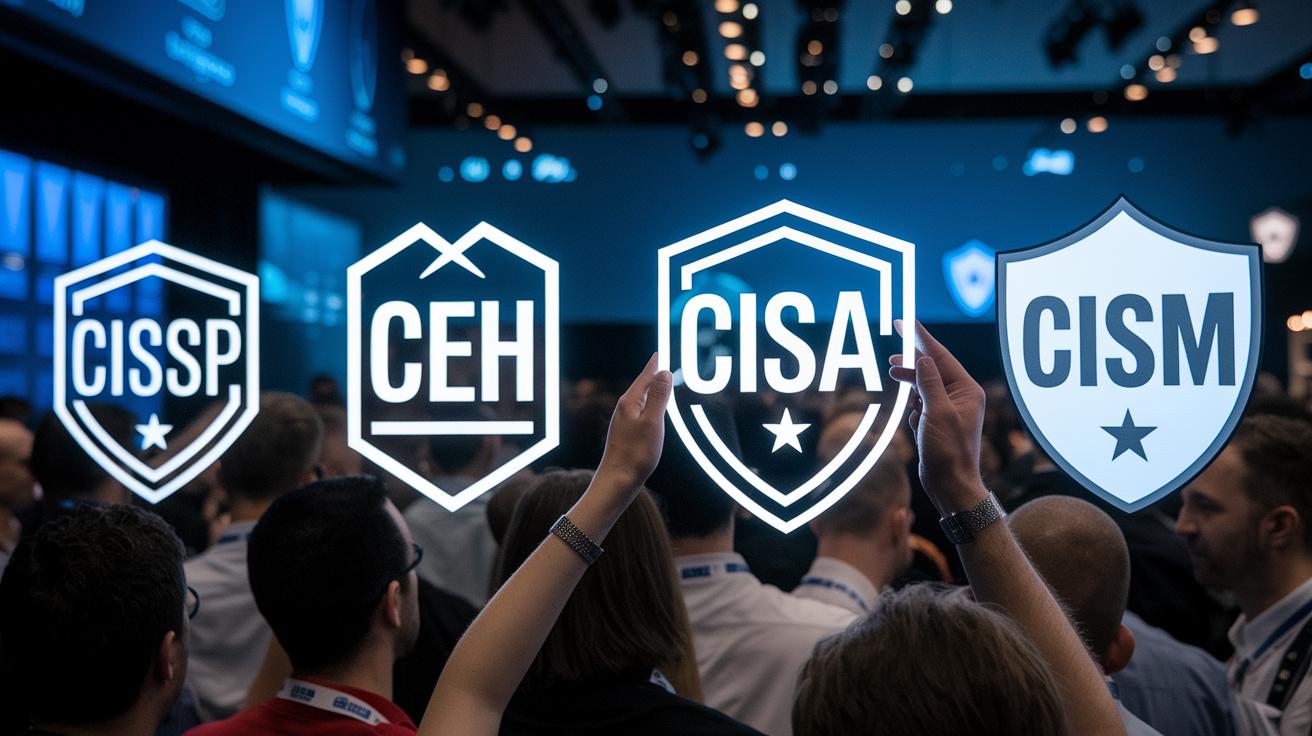
Certified security professionals, like those holding CISSP, CEH, CISA, and CISM, are expected to earn 120 CPE credits every three years. Security+ certified experts, on the other hand, need 50 CEUs to keep their credentials active. These requirements aren’t just numbers, they’re a sign that you're staying on top of the latest digital defense tactics and strategies.
There are plenty of ways to score these credits. For instance, webinars usually offer 1 to 2 credits per session, while industry conferences can boost your record with valuable credits. Even hands-on activities like technical writing, teaching cybersecurity courses, or mentoring upcoming professionals count toward your credit total. These real-world experiences help keep you engaged and in tune with emerging trends in security.
Building a diverse portfolio of credits is essential. Mixing different kinds of learning experiences not only maintains your credentials but also deepens your understanding of digital security challenges. It’s a proactive way to ensure that every part of your professional growth is covered.
Adopting an organized, continuous learning schedule is key to long-term success. Try mapping out a plan that includes monthly webinars, quarterly workshops, and annual conferences. A yearly review of your learning goals can be really helpful, too. This approach not only keeps you on track but also leaves room to dive into new course formats or hot topics in cybersecurity when they pop up.
Crafting Your Cyber Security Certification Roadmap
Mapping out your cybersecurity certification journey can feel like planning an exciting adventure. Start by picking credentials that match your career goals. For newcomers, Security+ or SSCP offer a friendly introduction to digital defense, giving you a solid grasp of the basics. As you build experience, certifications like CEH or GSEC will step in to validate your knack for spotting vulnerabilities and handling hands-on defense tactics.
As your career evolves, from Analyst to Engineer, then Architect, Manager, and eventually CISO, your choice of certifications should shift too. Early earning badges set you up for entry-level tasks, while advanced ones like CISSP or CISM confirm deep expertise and leadership potential. And if you’re inclined towards specialized technical areas, niche credentials such as ISSAP can really help you stand out, especially when you're eyeing architecture roles.
Think about your current skill set and where you want to head next. You might dedicate a few months for an entry-level certification before gradually tackling more intermediate challenges. Schedule your study time around daily work so you can steadily grow your skills without feeling overwhelmed. In truth, by aligning your career milestones with your study schedule, you can craft a realistic, step-by-step roadmap that not only hones your technical skills but also gears you up for leadership in the fast-paced world of cybersecurity.
Final Words
In the action, this piece walked through top-tier cyber security certifications, outlining entry options, advanced paths, exam prep tips, cost details, and renewal processes. We broke down essential provider credentials, study strategies, and career impacts into digestible insights. Each section aimed to build confidence and practical understanding for smart tech decisions. These cyber security certifications hold the key to a more informed, capable future, helping you blend new tech skills seamlessly into a rewarding career. Enjoy the tech exploration ahead!
FAQ
What are some key cybersecurity certification programs?
The cybersecurity certifications list includes credentials from providers such as (ISC)², CompTIA, ISACA, EC-Council, and GIAC, each offering programs that cater to different skill levels and career goals.
How can I access free and online cybersecurity certifications for beginners?
The cybersecurity certifications free options often include online introductory courses and community-sponsored training that help beginners gain entry-level skills without a financial barrier.
What are the typical costs associated with cybersecurity certifications?
The cybersecurity certifications cost varies by program, with exam fees ranging from a few hundred to over a thousand dollars, while study materials and retake fees can add to the overall expense.
What cybersecurity certification options does Google offer?
The cybersecurity certifications Google programs provide targeted training designed to boost digital security understanding, often integrated into broader IT learning paths available online.
Which cybersecurity certifications are considered highest-paying?
The highest-paying cybersecurity certifications, such as CISSP, CISM, and CEH, are known for enhancing earning potential by validating expertise in advanced security practices.
How do cybersecurity certifications compare to a traditional degree?
The cybersecurity certifications versus degree debate shows that certifications provide specialized, focused expertise quickly, while a degree offers comprehensive education and broader theoretical knowledge.
What is the best certification for entering cybersecurity?
The best cybersecurity certification depends on your goals—beginners might choose CompTIA Security+ for its accessibility, while experienced professionals often aim for CISSP to advance their careers.
Can cybersecurity professionals earn $200,000 a year?
The cybersecurity salary potential can reach $200,000 a year when advanced certifications are combined with significant experience and specialized skills in high-demand security roles.
Is starting a cybersecurity career at age 30 too late?
The idea that age 30 is too old to enter cybersecurity is unfounded; many professionals successfully transition into the field by leveraging certifications and prior industry experience.
Can certifications alone help secure a cybersecurity job?
The cybersecurity certifications can qualify you for many entry-level roles by validating essential knowledge, though practical experience and ongoing learning remain crucial for long-term success.
What do providers like ISC2, CompTIA, ISACA, EC-Council, and Microsoft offer?
Providers such as ISC2, CompTIA, ISACA, EC-Council, and Microsoft deliver diverse cybersecurity certifications that range from foundational to advanced, catering to both newcomers and seasoned professionals.
What does Global Information Assurance Certification (GIAC) provide?
The Global Information Assurance Certification (GIAC) offers specialized credentials that emphasize technical skill validation, helping professionals demonstrate expertise in various cybersecurity disciplines.