


Have you ever wondered if your API can really withstand potential threats? Testing it is like giving your system a routine checkup, spotting minor issues before they turn into big problems. Catching those hidden bugs early boosts your system’s trustworthiness. Every test adds an extra layer of security to protect your sensitive data and keep your online services running smoothly.
Securing API Endpoints Through Security Testing
API security testing is all about putting your endpoints under the microscope. We check for weaknesses like how they handle strange inputs, potential injection tricks, or even issues with how they confirm your identity. Think of it as giving your API a friendly but thorough health check, whether it's your own creation or a tool from another provider. For instance, if an endpoint manages user data, testers might send in odd, cheeky inputs, almost like a little experiment, to see if the system mistakenly accepts them validly.
Common issues often crop up not because hackers are super geniuses, but thanks to rushed designs and oversight. Studies show that over half of organizations sometimes struggle to keep track of every API they use. When teams miss inventory on even one interface, they leave open doors that attackers can sneak through. And then, small mistakes like letting detailed error messages slip out can give away too much about how the API works, making it easier for someone with bad intentions to take a closer look.
Poor API design and a hurried testing process can open the door to a whole bundle of risks. If security isn’t baked into the design from the start, even simple mistakes may expose sensitive information or let unauthorized changes take place. By spotting these pitfalls early, you’re not just checking off a box – you’re building a crucial shield that protects data and keeps your systems trustworthy.
Core API Security Testing Methodologies

API security testing combines a variety of approaches to inspect your endpoints from all angles. These methods work together to form a strong safety net by catching vulnerabilities before they can cause any real harm.
Static Application Security Testing (SAST)
SAST is a white-box technique that digs into your source code to look for issues like SQL injections and other vulnerabilities listed in the OWASP Top 10. Imagine it as carefully proofreading every line in a document to catch any hidden errors before they escalate.
Dynamic Application Security Testing (DAST)
DAST takes a black-box approach by running the API with a range of normal and unexpected inputs to identify issues that appear during operation. Picture someone trying out quirky and odd commands on your system, much like a prankster testing if a door really locks. This method reveals the gaps that only show up when the API is live.
Interactive Application Security Testing (IAST)
IAST essentially layers sensors within your API to combine the advantages of both static and dynamic testing. This approach acts like a smart assistant that watches all the inner workings of your system in real time and spots errors as they happen, ensuring faster detection and broader coverage.
Feedback-Based Fuzzing
Feedback-based fuzzing uses dynamic white-box analysis to automatically generate and run test cases. It continuously tweaks its inputs to explore edge-case scenarios that might otherwise slip by unnoticed. Think of it as a dedicated tool that experiments with countless scenarios to leave no stone unturned.
Using these methods together offers thorough protection, covering both common vulnerabilities and unique challenges tailored to your application’s specific logic.
Automating API Security Testing in CI/CD Pipelines
Integrating API security tests into your CI/CD workflow means that every time you update your code, it automatically gets checked for vulnerabilities. With automation, you receive instant feedback whether it's a fresh commit or a scheduled build. Tools that work with OpenAPI specifications, HAR files, or Postman collections help keep scans regular and reduce the chance of errors slipping into production. Picture this: you commit your code and a security test kicks in immediately, catching issues before they even approach staging. Quick scans like these shrink the window for vulnerabilities and ensure security stays front and center throughout development.
Automation tools bring not just speed but also pinpoint accuracy and a complete view of your system. Using Postman collections and API definitions lets you simulate invalid requests and real-world attacks, like stress-testing your API to make sure it holds up under pressure. Frequent revalidation with detailed reports after each build makes monitoring your risk profile straightforward. This proactive approach often stops minor security slips from turning into major problems. In short, leveraging these techniques helps you address risks early, ensuring strong security is part of your entire development process.
API Security Testing Boosts Trusted Systems

A solid API security checklist is your first step toward spotting vulnerabilities and boosting system reliability. Mapping out your API environment and taking a close look at each endpoint not only highlights potential risks but also points you toward smart fixes that keep your systems secure and reliable.
- Map your API environment, covering internal, partner, and third-party services, to get a complete picture.
- Perform API discovery to list every endpoint and prioritize them based on their business impact.
- Run threat modeling exercises to uncover logic-based attack scenarios that might jeopardize your system's integrity.
- Automate initial scans using OpenAPI definitions and schedule manual penetration tests to really test those complex business rules.
- Double-check key security areas like authentication, authorization, input validation, parameter tampering resistance, error handling, misconfigurations, rate limiting, and session management.
- Finally, revalidate your fixes by documenting findings in clear, standardized vulnerability reports to manage risks over time.
Regular revalidation and detailed reporting make sure every vulnerability is dealt with quickly, building a secure, resilient API ecosystem.
Top Tools and Frameworks for API Security Testing
When you’re working on protecting your API endpoints, having the right mix of tools makes all the difference. There’s a spectrum of options available, from open-source projects to specialized commercial scanners, that can mirror real-world attacks and reveal hidden gaps in things like authentication, parameter handling, and business logic.
| Tool | Method | Key Features | License |
|---|---|---|---|
| OWASP ZAP | Black-box DAST | Fuzzing plugins, scripting support for REST APIs | Open-source |
| Postman | Automated API scanning | Tests authentication flows and parameter tampering | Freemium |
| Specialized API Scanner | Hybrid (plugin-based + manual pentest) | Zero false positives, business logic detection | Commercial |
| SoapUI | Vulnerability assessment | Supports REST and SOAP, advanced scripting | Open-source |
| Insomnia | API testing and debugging | API design, vulnerability assessment, intuitive interface | Open-source |
Choosing the right set of tools really depends on your project’s specific demands and budget. For example, if your team needs broad coverage, combining automated scans from tools like Postman or OWASP ZAP with in-depth manual checks from specialized scanners can help catch both common issues and complex vulnerabilities. In truth, using the best features of each platform allows you to build a layered defense that easily adapts to new threats and varying API designs.
Best Practices and Case Studies in API Security Testing
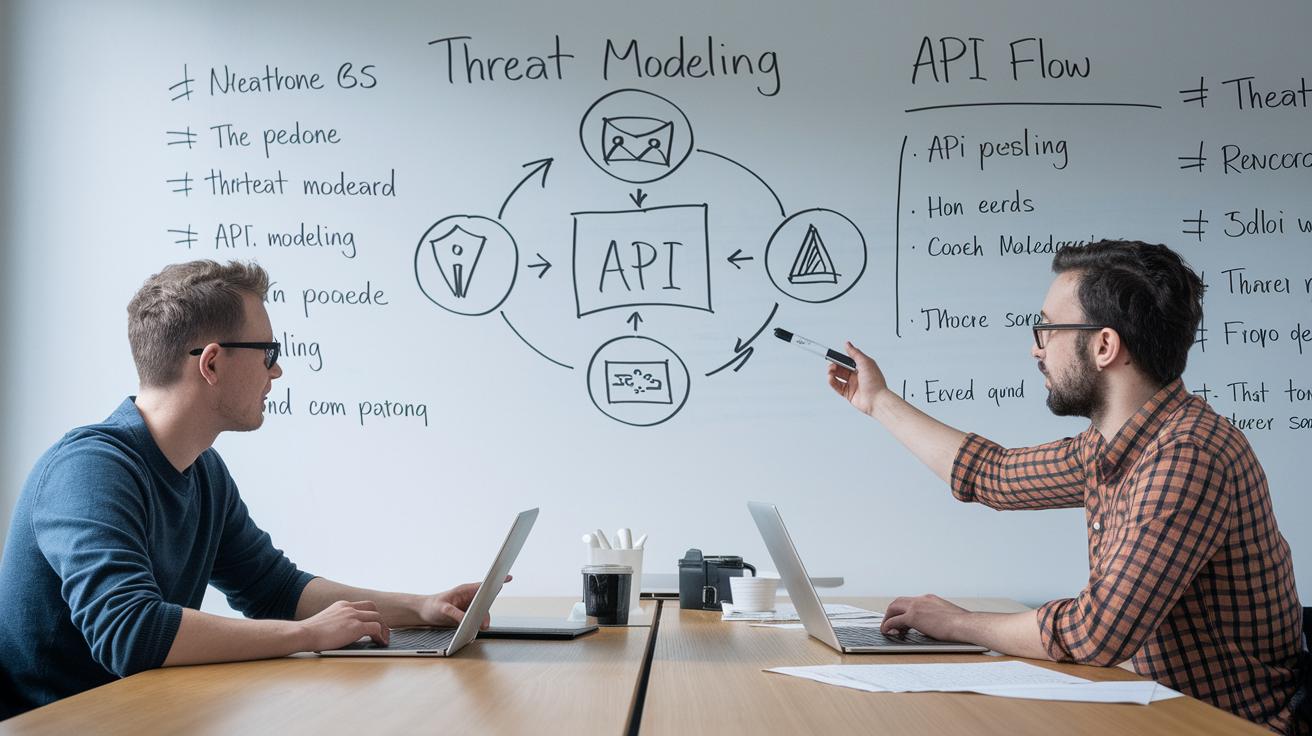
Best practices for API security testing begin with a shift-left integration approach. In simple terms, this means weaving security into the very fabric of development from day one. Teams run early threat modeling to pinpoint where potential attacks could come from and keep API definitions current. For example, one team tests API changes in real time, spotting vulnerabilities before the new code even goes live.
Continuous risk surveillance is just as vital. Automated scans on a regular schedule combined with occasional manual reviews help catch those sneaky, emerging threats that might otherwise slip by unnoticed. This proactive strategy makes security a core pillar of the development cycle rather than an afterthought.
One financial services firm saw impressive results by mixing in SAST, DAST, and hands-on penetration testing. They achieved a 60% drop in API vulnerabilities, imagine having several sets of watchful eyes constantly checking for issues. It really shows the power of a combined testing approach.
Similarly, an e-commerce platform reaped benefits by embedding a specialized API scanner within their CI/CD pipeline. With fewer false alarms, the security team could zero in on legitimate threats rather than chasing red herrings, streamlining updates and enhancing overall defenses.
In the case of a healthcare API, strict security guidelines proved transformative. Enforcing authentication checks and rate limiting led to zero critical incidents over six months, clearly demonstrating that tailored security measures can effectively safeguard sensitive data.
In essence, pairing regular automation with targeted manual reviews creates a robust, layered testing strategy that keeps security risks under control and systems reliably safe.
Ensuring Compliance and Reporting in API Security Testing
Regular compliance audits are essential to keeping your API ecosystem secure. By checking that you follow key standards like GDPR (a set of rules for protecting personal data) and the OWASP API Security Top 10, you can be sure your endpoints meet both best practices and legal regulations. Keeping an up-to-date list of all your APIs makes it easier to spot any gaps and quickly tackle potential risks.
Structured reporting is another cornerstone of smooth collaboration between development and security teams. Using standard formats, complete with CVE references and JSON templates, ensures that every vulnerability is clearly documented. These reports act as a reliable trail, revealing which issues have been fixed and which still need attention. Consistent documentation like this is vital for teamwork and helps satisfy external audit requirements.
Automating audit-ready documentation simplifies the whole process over time. By continuously revalidating security tests and using regular automated scans, you keep your vulnerability data both current and compliant. Detailed reports generated after each audit cycle allow teams to address issues quickly while keeping progress transparent and well-documented.
Final Words
In the action, this post outlined techniques for securing API endpoints and assessing vulnerabilities from design flaws to runtime errors. It broke down approaches like SAST, DAST, IAST, and feedback-based fuzzing alongside step-by-step checklists. Case studies and tool comparisons backed up practical insights, while CI/CD integration and structured compliance reporting rounded out the exploration. This combined approach in api security testing empowers teams to mitigate risks effectively. Keep questions coming and embrace the thrill of simplified tech insights.
FAQ
What are some effective API security testing tools?
The API security testing tools include solutions like OWASP ZAP, Postman collections, SoapUI, and other free resources that scan for injection flaws and parameter tampering to help secure API endpoints.
What does an API security testing checklist include?
The API security testing checklist covers mapping endpoints, validating authentication and authorization, checking input validation, and conducting revalidation, all designed to maintain thorough API safeguards.
How does OWASP guide API security testing?
The API security testing guidelines from OWASP highlight practices to detect common vulnerabilities like injection flaws and misconfigurations, helping teams align tests with recognized security standards.
What are the primary methods for API security testing?
The API security testing methods incorporate static testing (SAST), dynamic testing (DAST), interactive testing (IAST), and feedback-based fuzzing, each addressing different aspects of potential vulnerabilities.
Where can I find API security testing tutorials and free examples?
The API security testing tutorials and free examples are available on platforms like GitHub and via Postman collections, offering practical guides and community examples for hands-on learning.
What are the four types of APIs?
The API types typically include public, partner, private, and composite APIs, each structured to address varying access needs and integration complexity in different business settings.
Which tests best evaluate API security?
The API security evaluation tests combine vulnerability scanning, penetration testing, and compliance assessments, each examining critical areas like authentication, input validation, and error handling.